


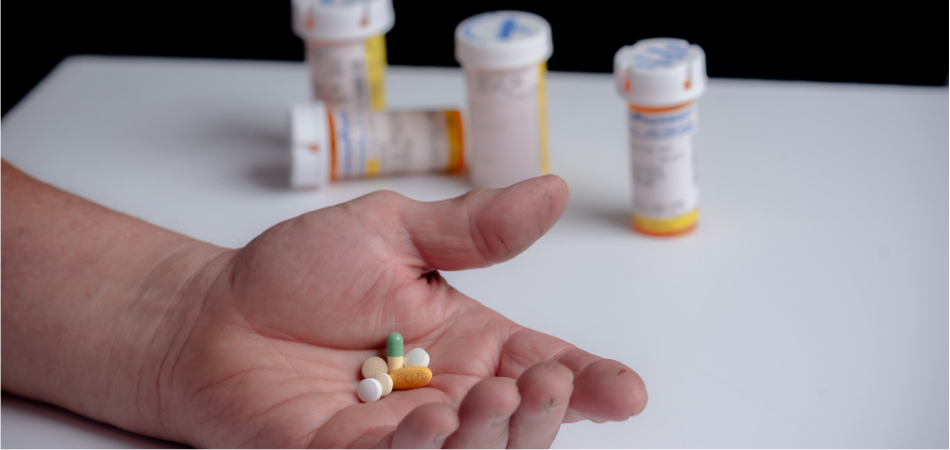
From morphine all the way over to heroin, opioids have a reputation as the most dangerous type of drug available. Opioids are known for their high addiction potential and intense withdrawal symptoms. Addiction to this type of drug is particularly pervasive; of those in addiction treatment in 2021-2022, almost half (49%) reported difficulties with opioids.
What is an opioid?
‘Opioid’ refers to a family of drugs that are frequently used for pain management. They are notoriously powerful analgesics and are often prescribed by medical professionals. However, this does not mean that all opioids are legal – there are some drugs within this group, such as heroin, that are classed as illicit substances.
All opioids are painkillers, but not all painkillers are opioids. The term opioid refers specifically to any drug that contains compounds from the ‘opium poppy’ (papaver somniferum), or contains synthetic compounds that act on the brain’s opioid receptors in a similar way to the poppy’s derivatives.
The term opioid refers to natural, synthetic and semi-synthetic opioids. When someone uses the term ‘opiate’, they are referring specifically to naturally derived opiates. These include substances such as codeine, heroin and morphine.
Opioids work by interacting with specific receptors in the brain (mu, delate and kappa receptors). Opioids are mainly inhibitory, meaning they work by reducing the activity of our neurons (brain cells). This inhibitory action on the neurons has been connected to the analgesic and sedative effects of opioids.
For most people, this means that using opioids leads to
- a reduction in pain
- feeling sleepy
- a reduction in anxiety, generally feeling more relaxed
- experiencing a boost in mood

How common is opioid addiction?
In the 2021-22 financial year (From April 2021 to March 2022), 289,215 people were in contact with drug and alcohol services. 140,558 (49%) of these people were receiving treatment for opiate addiction.This means that almost half of the treatment population in addiction services were seeking support for opiate misuse.
With a total of 101,822 males in this treatment group, we can see that men account for almost three quarters (72.4%) of those in treatment for opiate addiction. In comparison, there were 38,736 females receiving support for opiate addiction, accounting for 27.6% of the treatment population.
5,347 (17%) of these people reported having a housing problem, whilst an additional 4,088 (13%) noted that their housing problem was urgent. 66% of people in treatment for opiate dependence reported that they had a mental health need additional to their addiction.
The report indicates that it took an average of 3 years for individuals struggling with opiate addiction to ‘successfully complete treatment.’
Types of opioids:
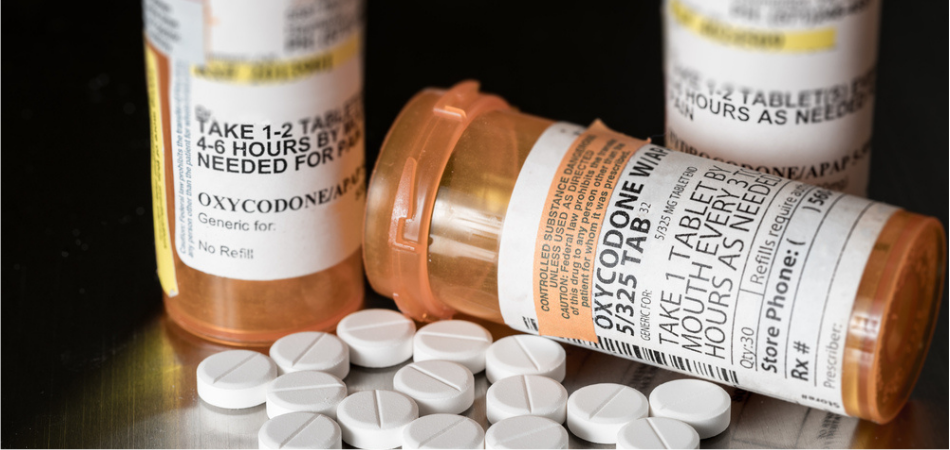
There are many different types of opioids. These all have slightly different mechanisms of action; therefore, their usage, effects and level of risk can vary.
All of the substances listed below are prescription opioids. However, this does not mean that only patients prescribed these medications use them. People may access opioids through ‘sharing’ or stealing prescriptions or through illicit channels.
Common types of opioid include:

Signs of opioid addiction
An addiction to opioids is sometimes known as an Opioid Use Disorder (OUD). OUD is considered to be a serious medical condition that necessitates appropriate treatment.
The main symptoms of an opioid use disorder include:
- physical dependence on opioids
- increasing use
- cravings
As is the case with other addictions, there may be other symptoms present. Potential symptoms are:
- feeling sick or nauseous
- feeling tired or drowsy
- change in appetite and weight loss
- change in sleep schedule
- frequently becoming ill with coughs, colds or flu
- social isolation
- unpredictable moods
- difficulties with work or school
- difficulties maintaining relationships
- difficulties with hygiene and personal care
- difficulties with money
- potential engagement with criminal activity

Treatment for opioid addiction
Opioid addiction is a very difficult thing to experience. But that does not mean that addiction will last forever. There are many forms of treatment available that can be specifically tailored to treating opioid addiction.
Detoxing from opioids
One of the first steps towards recovering from an opioid addiction is to detox. It is important that you detox from opioids safely, as going ‘cold turkey’ (quitting straight away) can cause unpleasant and potentially serious health effects. There are ways to ease the process, such as through methadone maintenance therapy (MMT). MMT is a type of pharmacological intervention. It is sometimes known as withdrawal management. By replacing your use of an opioid with a similar, controlled substance, MMT can help you resist difficult cravings. It can also keep you feeling more physically and emotionally regulated during the early stages of detoxing.
Therapy for opioid addiction
Research suggests that individuals dealing with opioid addiction typically respond well to two areas of therapy: psychotherapy and community support.
There are many different treatment options that encompass these types of support, including:
- Cognitive behavioural therapy (CBT)
- Dialectical Behavioural Therapy (DBT)
- Experiential Therapy
- Group Therapy
- Individual Therapy
- Prescription medication
- Psychodynamic Therapy
- Psychotherapy
- Self-Help Groups
The combination of detox and therapy is a powerful combination in the early stages of rehab. If you feel that you would benefit from support for opioid addiction, the best course of action is to contact appropriate medical professionals. The specific types of treatment best suited to your needs will be discussed with you by your treatment team at the relevant time.

The next step
Embarking on the journey to overcome drug addiction is a courageous step, and the optimal starting point is to seek guidance from a drug specialist or a medical professional. It is never too late to confront and conquer your opioid addiction.
From morphine all the way over to heroin, opioids have a reputation as the most dangerous type of drug available. Opioids are known for their high addiction potential and intense withdrawal symptoms. Addiction to this type of drug is particularly pervasive; of those in addiction treatment in 2021-2022, almost half (49%) reported difficulties with opioids.
What is an opioid?
‘Opioid’ refers to a family of drugs that are frequently used for pain management. They are notoriously powerful analgesics and are often prescribed by medical professionals. However, this does not mean that all opioids are legal – there are some drugs within this group, such as heroin, that are classed as illicit substances.
All opioids are painkillers, but not all painkillers are opioids. The term opioid refers specifically to any drug that contains compounds from the ‘opium poppy’ (papaver somniferum), or contains synthetic compounds that act on the brain’s opioid receptors in a similar way to the poppy’s derivatives.
The term opioid refers to natural, synthetic and semi-synthetic opioids. When someone uses the term ‘opiate’, they are referring specifically to naturally derived opiates. These include substances such as codeine, heroin and morphine.
Opioids work by interacting with specific receptors in the brain (mu, delate and kappa receptors). Opioids are mainly inhibitory, meaning they work by reducing the activity of our neurons (brain cells). This inhibitory action on the neurons has been connected to the analgesic and sedative effects of opioids.
For most people, this means that using opioids leads to
- a reduction in pain
- feeling sleepy
- a reduction in anxiety, generally feeling more relaxed
- experiencing a boost in mood
How common is opioid addiction?
In the 2021-22 financial year (From April 2021 to March 2022), 289,215 people were in contact with drug and alcohol services. 140,558 (49%) of these people were receiving treatment for opiate addiction.This means that almost half of the treatment population in addiction services were seeking support for opiate misuse.
With a total of 101,822 males in this treatment group, we can see that men account for almost three quarters (72.4%) of those in treatment for opiate addiction. In comparison, there were 38,736 females receiving support for opiate addiction, accounting for 27.6% of the treatment population.
5,347 (17%) of these people reported having a housing problem, whilst an additional 4,088 (13%) noted that their housing problem was urgent. 66% of people in treatment for opiate dependence reported that they had a mental health need additional to their addiction.
The report indicates that it took an average of 3 years for individuals struggling with opiate addiction to ‘successfully complete treatment.’
Types of opioids:
There are many different types of opioids. These all have slightly different mechanisms of action; therefore, their usage, effects and level of risk can vary.
All of the substances listed below are prescription opioids. However, this does not mean that only patients prescribed these medications use them. People may access opioids through ‘sharing’ or stealing prescriptions or through illicit channels.
Common types of opioid include:







Hydromorphone addiction involves the compulsive use of the opioid pain medication hydromorphone, leading to tolerance, physical dependence, and intense withdrawal symptoms upon cessation, si…



The opioid oxycodone is available under various brand names and prescribed in liquid, tablet, capsule, or injection forms; it addresses both acute and chronic pain. Administered either as a …

Tramadol, with opiate effects, is available in tablet, capsule, or injection forms. Despite its uses in treating moderate to severe pain, including postoperative cases and long-term manageme…

Vicodin, a prescription-only medication, is a blend of hydrocodone and acetaminophen, combining an opioid with a non-opioid pain reliever. Notably, Vicodin often features a higher proportion…
Signs of opioid addiction
An addiction to opioids is sometimes known as an Opioid Use Disorder (OUD). OUD is considered to be a serious medical condition that necessitates appropriate treatment.
The main symptoms of an opioid use disorder include:
- physical dependence on opioids
- increasing use
- cravings
As is the case with other addictions, there may be other symptoms present. Potential symptoms are:
- feeling sick or nauseous
- feeling tired or drowsy
- change in appetite and weight loss
- change in sleep schedule
- frequently becoming ill with coughs, colds or flu
- social isolation
- unpredictable moods
- difficulties with work or school
- difficulties maintaining relationships
- difficulties with hygiene and personal care
- difficulties with money
- potential engagement with criminal activity
Treatment for opioid addiction
Opioid addiction is a very difficult thing to experience. But that does not mean that addiction will last forever. There are many forms of treatment available that can be specifically tailored to treating opioid addiction.
Detoxing from opioids
One of the first steps towards recovering from an opioid addiction is to detox. It is important that you detox from opioids safely, as going ‘cold turkey’ (quitting straight away) can cause unpleasant and potentially serious health effects. There are ways to ease the process, such as through methadone maintenance therapy (MMT). MMT is a type of pharmacological intervention. It is sometimes known as withdrawal management. By replacing your use of an opioid with a similar, controlled substance, MMT can help you resist difficult cravings. It can also keep you feeling more physically and emotionally regulated during the early stages of detoxing.
Therapy for opioid addiction
Research suggests that individuals dealing with opioid addiction typically respond well to two areas of therapy: psychotherapy and community support.
There are many different treatment options that encompass these types of support, including:
- Cognitive behavioural therapy (CBT)
- Dialectical Behavioural Therapy (DBT)
- Experiential Therapy
- Group Therapy
- Individual Therapy
- Prescription medication
- Psychodynamic Therapy
- Psychotherapy
- Self-Help Groups
The combination of detox and therapy is a powerful combination in the early stages of rehab. If you feel that you would benefit from support for opioid addiction, the best course of action is to contact appropriate medical professionals. The specific types of treatment best suited to your needs will be discussed with you by your treatment team at the relevant time.
The next step
Embarking on the journey to overcome drug addiction is a courageous step, and the optimal starting point is to seek guidance from a drug specialist or a medical professional. It is never too late to confront and conquer your opioid addiction.
Call our admissions line to get help.