


Getting help for Addiction & Substance Abuse in Heathfield
Breaking free from drug or alcohol addiction involves eliminating physical and psychological dependence and addressing the harmful behavioural issues that initially lead to addiction. Attempting to stop using drugs without any form of professional help can be extremely difficult, and at times dangerous where physical dependence has developed. All forms of drug addiction and alcoholism negatively impact the individual’s mental and physical health. Friends and family often find the behavioural aspects of addiction the most apparent and troubling to experience.
For rehab to be successful, one must be willing to make significant behavioural changes whilst in treatment. The recovery success rates are entirely dependent on the individual’s willingness for change. Any good rehab facility in Heathfield should offer personalised treatment which includes a comprehensive screening process. The treatment plan should be changed to meet the needs of each individual, with their progress regularly monitored throughout the programme.
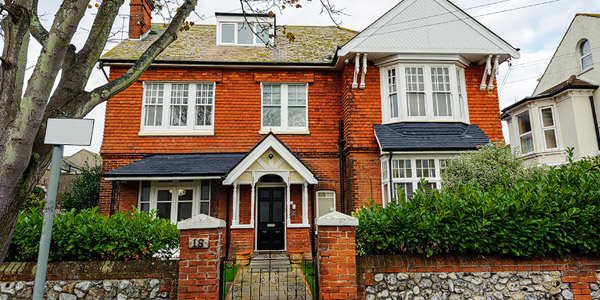
The Recovery lighthouse is an inpatient detoxification and rehab facility w…
- Private
- Holistic Treatment
- 24/7 nursing
- Residential
UKAT Rehabs
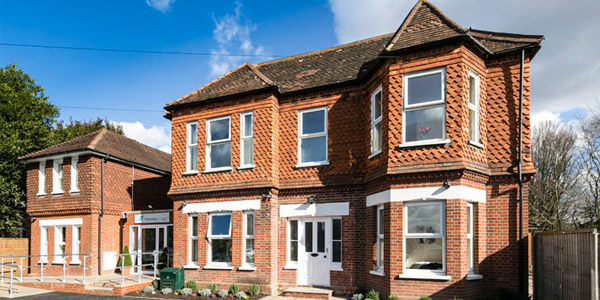
Primrose Lodge is a comfortable, fully equipped detox and rehab facility. C…
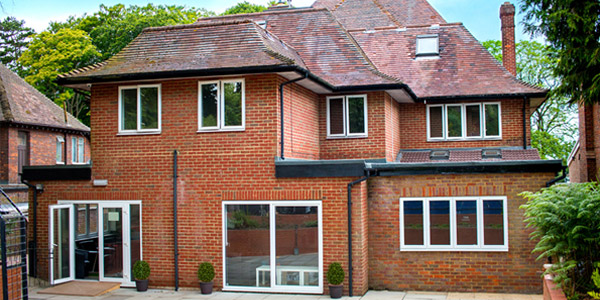
Liberty House Clinic is a fully furbished detox and rehabilitation facility…
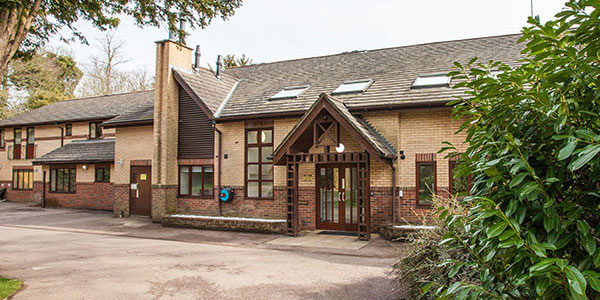
Banbury Lodge is a leading CQC approved detox, rehab and therapy clinic for…
Finding Treatment Options near East Sussex
Please note that for all listings, their locations, times, prices and any other details on their services shown are subject to change. We recommend confirming the latest information directly through your local drug and alcohol service itself, your GP or a local authority.

Please note, with all meeting listings provided, their locations, times and availability may change. We advise you to verify locally or speak with your local GP or Local Authority to receive the most up to date information.
We have created a tool dedicated to helping you find a wide range of meetings and other free support services in your area, click the link here to use the tool to find helpful services near your location – Find Recovery Meetings Near You
-

- 12 Step
- Group Setting
- Free
- Outpatient
-
- 12 Step
- Group Setting
- Free
- Outpatient
-
- 12 Step
- Group Setting
- Free
- Outpatient
-
- 12 Step
- Group Setting
- Free
- Outpatient
-
- Free
- Group Setting
- 12 Step
- Outpatient
-
0 review
- Outpatient Option
- Private
- One to One
- Outpatient
-
- Outpatient Option
- Private
- One to One
- Outpatient
-
- 12 Step
- Group Setting
- Free
- Outpatient
-
All Saints C of E Church
The Eastbourne Clinic
21 Grange Road
BN21 4HE0 review- 12 Step
- Group Setting
- Free
- Outpatient
-
- 12 Step
- Group Setting
- Free
- Outpatient
-
Friends Meeting House
The Religious Society of Friends
5 South Terrace
TN34 1SA0 review- 12 Step
- Group Setting
- Free
- Outpatient
-
- Under 18’s
- Group Setting
- Free
- Outpatient
-
- Under 18’s
- Group Setting
- Free
- Outpatient
-
Brighthelm Church & Community Centre
North Rd
Brighton and Hove
BN1 1YD0 review- Under 18’s
- Group Setting
- Free
- Outpatient
-
- Under 18’s
- Group Setting
- Free
- Outpatient
-
- Under 18’s
- Group Setting
- Free
- Outpatient
-
- Under 18’s
- Group Setting
- Free
- Outpatient
-
0 review
- Under 18’s
- Group Setting
- Free
- Outpatient
-
- Under 18’s
- Group Setting
- Free
- Outpatient
-
- Under 18’s
- Group Setting
- Free
- Outpatient
-
- Under 18’s
- Group Setting
- Free
- Outpatient
-
- LGBT
- Free
- Training
- Support
-
- Fees Apply
- Confidential
- One to One
- Counselling
-
- Fees Apply
- Confidential
- One to One
- Counselling
-
- Fees Apply
- Confidential
- One to One
- Counselling
-
- Free
- Group Setting
- 12 Step
- Counselling
-
Hanover room (2nd Floor)
Brighthelm Centre
North Road, Brighton
BN1 1YD0 review- 12 Step
- Group Setting
- Free
- Outpatient
-
- 12 Step
- Group Setting
- Free
- Outpatient
-
The Nutty Wizard Community Cafe
The Corner Building
2 South Street
BN7 2BP0 review- 12 Step
- Group Setting
- Free
- Outpatient
-
- 12 Step
- Group Setting
- Free
- Outpatient
-
0 review
- Outpatient Option
- Private
- One to One
- Outpatient
-
- LGBTQ Conscious
- Private
- One to One
- Outpatient
-
- Women’s Service
- Private
- One to One
- Outpatient
-
0 review
- Outpatient Option
- Private
- One to One
- Outpatient
-
- Under 18’s
- Private
- One to One
- Outpatient
-
Ground Floor
St Mark’s House
14 Upperton Road
East Sussex
Eastbourne BN21 1EP0 review- Under 18’s
- Private
- One to One
- Outpatient
- Load More


Drug & Alcohol Rehab Services in East Sussex
- A
- B
- C
- D
- E
- F
- G
- H
- I
- J
- K
- L
- M
- N
- O
- P
- Q
- R
- S
- T
- U
- V
- W
- X
- Y
- Z

How Does Rehab Work
Individuals receive treatment on a group and one-to-one basis, and have a customised treatment and recovery programme developed to fully address their specific needs. A psychiatric evaluation should also be carried out by certified psychiatrists. A rehab programme will ideally be carried out by a team of specialists in the treatment of addiction and mental health, as well as spiritual counsellors, wellness specialists and medical staff.
When it comes to rehab choices, inpatient residential rehab and outpatient programmes are the two distinct options available in the UK. Inpatient residential rehab is not usually offered on the NHS, whereas outpatient programmes are available throughout Heathfield on a self-referral basis. Inpatient residential rehab provides many advantages over outpatient programmes. They allow the individual to safely detox from alcohol and substances in an enclosed environment, without any temptations.
What Happens During Alcohol and Drug Rehab in Heathfield
Rehab offers individuals the necessary tools to have a meaningful life without the needing substances including alcohol. Qualified professionals promote an environment that is supportive, caring and compassionate, so that individuals can begin the healing process and walk along the road to long-term recovery. However, residential programs vary and those struggling with drug or alcohol addiction may not understand what a good residential treatment program looks like. It is vital that before deciding upon a residential programme, you know exactly what treatment options and aftercare are available as part of the programme. All strong rehab programmes should consist of group therapy, family therapy, and individual therapy. The treatment centre should have medical staff on standby to help individuals through the detox phase, and address any concerns they may have regarding psychotherapy and detox medication.
Good residential programmes should have free aftercare as part of their programmes, and allow for regular sessions to strengthen long-term recovery. All rehab facilities in the UK must be registered with the Care Quality Commission (CQC). The CQC provide a rating of each individual rehab ranging from “Inadequate” to “Outstanding”. To understand how well a rehab is performing, the CQC website is a good place to start, as this will identify any potential issues with an individual facility.
Addiction Therapy & Treatment Options in Heathfield
When making enquiries, ask about the therapy programmes available to you. All good rehabs should have a few different therapeutic models to help those with psychological issues. If existing mental health conditions are present, it would be worth inquiring whether the centre specialises in dual-diagnosis. Dual-diagnosis is the presence of mental health conditions and addictions. This often necessitates a specialised treatment plan to treat both disorders simultaneously.
Therefore, good rehab centres should ideally be licensed to treat mental health disorders as well as addiction – with the expertise to provide treatment for substance dependency without negatively impacting any existing mental health issues (such as depression or bipolar). Where dual diagnosis is concerned, many considerations need to be made for the individual’s well-being – such as the use of existing psychiatric medication and any therapy undergone prior to rehabilitation. The first phase of rehab is detox. Detox eliminates the substances that affect the individual’s mind, preparing them for psychological treatment.
Medical Alcohol and Drug Detox
Detox is a treatment designed to break the physical and psychological addiction resulting from drug and alcohol misuse. A medical detox uses detox medication to help individuals get through the worst of withdrawal safely, by reducing cravings and eliminating any dangerous symptoms that may result from sudden withdrawal. Detox medication is more common in those who are dependent on opiates, alcohol, barbiturates, and benzodiazepines.
Medical professionals will assess whether the individual requires a medically-assisted detox, with additional considerations involving the individuals needs and any existing mental health conditions. The detox phase is recommended within a residential setting, so that medical professionals can properly assess withdrawal symptoms and any health complications the individual may be facing.

Therapy for Alcohol and Drug Addiction
Once detox is complete the individual will move on to the rehabilitation phase. Clinicians should employ a wide range of therapeutic models to allow for person centered treatment. One-to-one sessions usually use psychotherapy, such as Cognitive Behavioural Therapy (CBT) or Dialectical Behavioural Therapy (DBT), amongst others. Group sessions should also take the form of talking therapies, but may include different forms of psychotherapy such as Drama Therapy, Art Therapy, and Meditation. The aim is to provide the optimal environment that allows the individual to explore new ways of thinking, bond with peers and seek healthy, rewarding stimuli without the need for drugs or alcohol.
Cost of Alcohol and Drug Rehab
A substantial portion of the overall cost of rehab is from Detox, as well as the length of stay and services provided. Other considerations include location and amenities. Typically, inpatient rehab centres price a 30-day treatment at £5000 – £10000. Cost should not be a barrier to getting addiction treatment, as often maintaining an addiction incurs a far greater cost longer-term.
Consider how much you currently spend to maintain your addiction and the health ramifications caused by substance abuse. Some, but not all rehab facilities accept private insurance, but you should check with your insurance provider first as to whether addiction treatment is covered.
How Long is Rehab?
The length of stay will vary depending on individual circumstances, with the majority of inpatient programmes ranging from 14 days up to 90 days. Extended rehab programmes have been shown to , so it may be that longer rehab programmes are a better choice.
Some inpatient rehabs offer “detox only” options – but uk-rehab does not endorse this – as detox alone rarely addresses the underlying causes of addictions. Consider a 60-90 day programme for optimal recovery. This will allow more time to adjust to a substance free life, and to improve the impact of the therapy on emotional and spiritual well-being.
Page Under Review
This page is currently under review and is being updated.
Some information displayed on this page may be outdated, incomplete or may no longer accurately reflect current services, facilities, treatment programmes, therapies, availability, admission arrangements or other service information. Information on this page should therefore not be relied upon as confirmation of current treatment provision or availability.
Where this page contains information about third-party treatment providers, organisations or support services that are not operated by UKAT, this information is provided for general informational purposes only and may also have changed since it was published. UKAT does not guarantee the accuracy or current availability of third-party services listed on this page.
Any prices displayed on this page may be outdated and are subject to change. Treatment costs can vary depending on the programme, length of stay, accommodation, individual circumstances and services required. Please contact UKAT’s Admissions Team directly to confirm current UKAT pricing, treatment options and availability before making a decision about treatment.
We are reviewing this page to ensure that the information provided accurately reflects current services and treatment provision.
For services not operated by UKAT, we recommend verifying the information independently by conducting a local search or contacting the relevant provider, your GP, local drug and alcohol service, local authority or another appropriate healthcare professional.
Latest Update: Under Review (September 2026)