


Getting help for Addiction & Substance Abuse in Rayleigh
Recovery from drug or alcohol addiction involves curbing physical and psychological dependence while resolving addictive behavioural issues. Attempting to stop using drugs without any form of professional help can be extremely difficult, and at times dangerous where physical dependence has developed. All forms of drug addiction and alcoholism negatively impact the individual’s mental and physical health. Friends and family often find the behavioural aspects of addiction the most apparent and troubling to experience.
For rehab to be successful, the individual must make deep, behavioural changes whilst in treatment. The recovery success rates depend entirely on the individual’s willingness for change. In Rayleigh, a good rehab facility should have tailored treatment which includes a comprehensive screening process. The facility should customise the treatment plan to the needs of each individual, with their progress being regularly monitored throughout the programme.
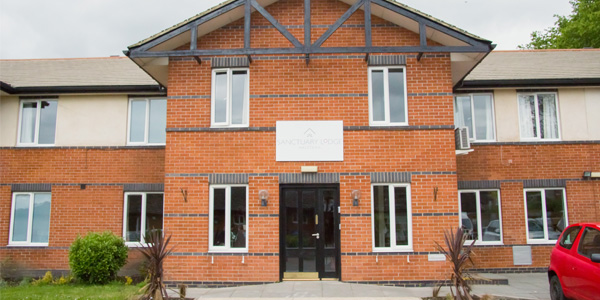
Sanctuary Lodge is a state-of-the-art detoxification and rehab facility. Lo…
- Private
- Holistic Treatment
- Onsite gym
- Residential
UKAT Rehabs
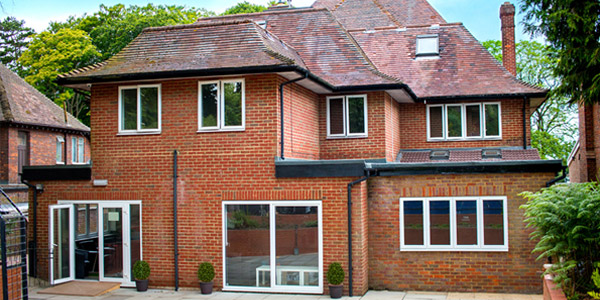
Liberty House Clinic is a fully furbished detox and rehabilitation facility…
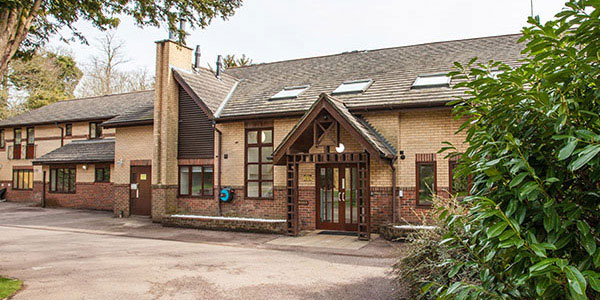
Banbury Lodge is a leading CQC approved detox, rehab and therapy clinic for…
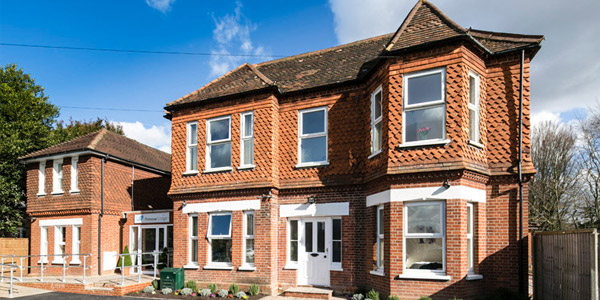
Primrose Lodge is a comfortable, fully equipped detox and rehab facility. C…
Finding Treatment Options near Essex
Please note that for all listings, their locations, times, prices and any other details on their services shown are subject to change. We recommend confirming the latest information directly through your local drug and alcohol service itself, your GP or a local authority.
-

- Aftercare
- Dual Diagnosis
- Residential
-
- Gambling
- CBT
- Residential
- Load More
Please note, with all meeting listings provided, their locations, times and availability may change. We advise you to verify locally or speak with your local GP or Local Authority to receive the most up to date information.
We have created a tool dedicated to helping you find a wide range of meetings and other free support services in your area, click the link here to use the tool to find helpful services near your location – Find Recovery Meetings Near You
-
- Free
- Outpatient
- 12 Step
-
- Free
- Outpatient
- 12 Step
-
Clarence Road Baptist Church
6 Clarence Road
Southend-on-Sea
SS1 1AN0 review- Free
- Group Setting
- 12 Step
-
- Free
- Outpatient
- 12 Step
-
- Free
- Outpatient
- 12 Step
-
- Free
- Group Setting
- 12 Step
-
- Free
- Group Setting
- 12 Step
-
0 review
- One to One
- Group Setting
- Outpatient Option
-
- One to One
- Group Setting
- Outpatient Option
-
- Free
- Outpatient
- 12 Step
-
- Free
- Outpatient
- 12 Step
-
- Free
- Outpatient
- 12 Step
-
- Free
- Group Setting
- 12 Step
-
- Free
- Counselling
- Outpatient
- Support
-
- Free
- Counselling
- Outpatient
- Support
-
0 review
- One to One
- Counselling
- Outpatient Option
- Support
-
Mental Health Unit
Basildon Hospital
Nethermayne
Basildon, SS16 5NL0 review- One to One
- Counselling
- Eating Disorder
- Support
-
- One to One
- Counselling
- Eating Disorder
- Support
-
- One to One
- Counselling
- Under 18’s
- Support
-
- One to One
- Counselling
- Under 18’s
- Support
-
Bradbury Day Centre, 103-107 York Road, Southend-on-Sea, SS1 2DL0 review
- Homelessness
- Food
- Support
- Advise
-
- Child Friendly
- Food
- 12 Step
- Advise
-
- Wheelchair Accessible
- Food
- 12 Step
- Advise
-
- Wheelchair Accessible
- Food
- 12 Step
- Advise
-
- Wheelchair Accessible
- Food
- 12 Step
- Advise
-
The Christian Link, Queens Park Community Church
Queens Park Avenue
Billericay
CM12 0UA0 review- Free
- Outpatient
- 12 Step
- Advise
-
0 review
- One to One
- Outpatient
- Outpatient Option
- Advise
-
- One to One
- Outpatient
- Eating Disorder
- Advise
-
- One to One
- Outpatient
- Eating Disorder
- Advise
-
- One to One
- Outpatient
- Eating Disorder
- Advise
-
- One to One
- Outpatient
- Eating Disorder
- Advise
-
- One to One
- Outpatient
- Eating Disorder
- Advise
-
- One to One
- Outpatient
- Eating Disorder
- Advise
-
- One to One
- Outpatient
- Eating Disorder
- Advise
-
- One to One
- Outpatient
- Eating Disorder
- Advise
-
0 review
- One to One
- Outpatient
- Outpatient Option
- Advise
-
- Free
- Outpatient
- Non 12 Step
- Advise
-
- Free
- Outpatient
- Non 12 Step
- Advise
-
- Free
- Outpatient
- Non 12 Step
- Advise
-
- Free
- Outpatient
- Non 12 Step
- Advise
- Load More




Drug & Alcohol Rehab Services in Essex
- A
- B
- C
- D
- E
- F
- G
- H
- I
- J
- K
- L
- M
- N
- O
- P
- Q
- R
- S
- T
- U
- V
- W
- X
- Y
- Z

How Does Rehab Work
Individuals are treated on a one-to-one and group basis, and receive a customised treatment and recovery programme to fully address their specific needs. A psychiatric evaluation should also be carried out by certified psychiatrists. A rehab programme will ideally be carried out by a team of specialists in the treatment of addiction and mental health, as well as spiritual counsellors, wellness specialists and medical staff.
When it comes to rehab choices, inpatient residential rehab and outpatient programmes are the two distinct options available in the UK. Inpatient residential rehab is not usually offered on the NHS, whereas outpatient programmes are available throughout Rayleigh on a self-referral basis. Inpatient residential rehab provides many advantages over outpatient programmes. They allow the individual to safely detox from alcohol and substances in an enclosed environment, without any temptations.
What Happens During Alcohol and Drug Rehab in Rayleigh
Rehab empowers people who are struggling with addiction to live meaningful lives without the need for any substances including alcohol. Qualified professionals aim to create an environment that is supportive, compassionate, and caring, so that individuals can begin the healing process and begin long-term recovery. However, residential programs are not equal and a person struggling with alcohol or drug dependency may not know what the ideal residential treatment program looks like. It is important that before choosing a residential programme, you understand what it entails in terms of treatment and aftercare options. Rehab programmes should ideally consist of individual therapy, group therapy and family therapy. Medical staff need to be made available 24 hours a day to aid with the detox process, and address any concerns that individuals express regarding their detox medication and psychotherapy.
Good residential programmes should provide free aftercare as part of any programme, and should allow for regular sessions to promote long-term recovery. It is a requirement for all rehab facilities in the UK to register with the Care Quality Commission (CQC). The CQC provide a rating of each individual rehab ranging from “Inadequate” to “Outstanding”. To investigate how a rehab is performing, a great starting point is the CQC website, as they provide copies of inspection reports highlighting issues and areas of excellence.
Addiction Therapy & Treatment Options in Rayleigh
When making enquiries at treatment centres, ask about the different therapy programmes they provide. A respectable rehab should have a variety of therapeutic models to help treat psychological issues associated with addiction. If existing mental health conditions are present, it would be worth inquiring whether the centre specialises in dual-diagnosis. Dual-diagnosis is the presence of mental health conditions and addictions. This often necessitates a specialised treatment plan to treat both disorders simultaneously.
Therefore, a good rehab centre should be licensed to treat both mental health disorders and addiction – with the experience to treat substance disorders without impeding on any existing mental health issues (such as bipolar or depression). Where dual diagnosis is involved, a range of factors need to be taken into consideration for the well-being of the individual – such as re-assessing the use of current psychiatric medication as well as therapy undergone before rehabilitation. Detox is the first stage of rehab. Detox eliminates the mind-altering substances from the body before moving on to psychological treatment.
Medical Alcohol and Drug Detox
Detox is a treatment designed to bring an end to the psychological and physical addiction caused by alcohol and drug misuse. A medical detox aides in safely getting individuals through the worst of withdrawal, by using detox medication, it eliminates any dangerous symptoms and reduces cravings that may result from sudden withdrawal. Detox medication is not always needed, and is usually confined to individuals who are dependent on opiates, benzodiazepines, alcohol,and barbiturates.
Medical professionals will decide whether a medically-assisted detox is required, with special considerations around the individuals needs and any existing mental health conditions. It is recommended that the detox phase takes place within a residential setting, so that withdrawal symptoms and health complications can be monitored by medical professionals.

Therapy for Alcohol and Drug Addiction
After completing detox the individual will begin the rehabilitation phase. Clinicians should utilise a large array of therapeutic models to create a personalised treatment plan. One-to-one sessions should utilise psychotherapy in the form of Cognitive Behavioural Therapy (CBT) and Dialectical Behavioural Therapy (DBT), amongst others. Group sessions should usually take the form of talking therapies, but may include other forms of psychotherapy such as Art Therapy, Drama Therapy, and Meditation. The aim is to create the optimal environment that allows the individual to explore new ways of thinking, bond with peers and seek healthy, rewarding stimuli without the need for drugs or alcohol.
Cost of Alcohol and Drug Rehab
A substantial portion of the overall cost of rehab is from Detox, as well as the length of stay and services provided. Other considerations include location and amenities. Inpatient rehab centres typically charge £5000 – £10000 for a 30-day treatment. Cost should never be a barrier to getting addiction treatment, as often the maintenance of an addiction has a far greater toll longer-term.
Consider how much you currently spend to maintain your addiction and the health ramifications caused by substance abuse. Private insurance can sometimes be accepted by rehabs, but you must make sure your insurance provider covers addiction treatment.
How Long is Rehab?
The length of stay will vary depending on individual circumstances, with the majority of inpatient programmes ranging from 14 days up to 90 days. Longer rehab programmes have been associated with , so it may be prudent to decide on an extended rehab programme.
Some inpatient rehabs have “detox only” options – but this is not endorsed by uk-rehab, detox alone rarely treats addiction’s underlying causes. Consider a 60-90 day programme for optimal recovery. This will allow more time to adjust to a substance free life, and to improve the impact of the therapy on emotional and spiritual well-being.
Rayleigh
Page Under Review
This page is currently under review and is being updated.
Some information displayed on this page may be outdated, incomplete or may no longer accurately reflect current services, facilities, treatment programmes, therapies, availability, admission arrangements or other service information. Information on this page should therefore not be relied upon as confirmation of current treatment provision or availability.
Where this page contains information about third-party treatment providers, organisations or support services that are not operated by UKAT, this information is provided for general informational purposes only and may also have changed since it was published. UKAT does not guarantee the accuracy or current availability of third-party services listed on this page.
Any prices displayed on this page may be outdated and are subject to change. Treatment costs can vary depending on the programme, length of stay, accommodation, individual circumstances and services required. Please contact UKAT’s Admissions Team directly to confirm current UKAT pricing, treatment options and availability before making a decision about treatment.
We are reviewing this page to ensure that the information provided accurately reflects current services and treatment provision.
For services not operated by UKAT, we recommend verifying the information independently by conducting a local search or contacting the relevant provider, your GP, local drug and alcohol service, local authority or another appropriate healthcare professional.
Latest Update: Under Review (September 2026)