


Getting help for Addiction & Substance Abuse in Southminster
Recovery from drug or alcohol addiction involves curbing physical and psychological dependence while resolving addictive behavioural issues. Attempting to stop using drugs without any form of professional help can be extremely difficult, and at times dangerous where physical dependence has developed. Alcoholism or other forms of drug addiction impact physical and mental health—and it’s often the behavioural aspects of addiction that are most apparent and troubling to friends and family.
For the rehab process to be successful, significant behavioural changes are needed whilst in treatment. The recovery success rates depend entirely on the individual’s willingness for change and commitment to those changes long-term. Any good rehab facility in Southminster should offer personalised treatment which includes a comprehensive screening process. The treatment plan should be changed to meet the needs of each individual, with their progress regularly monitored throughout the programme.
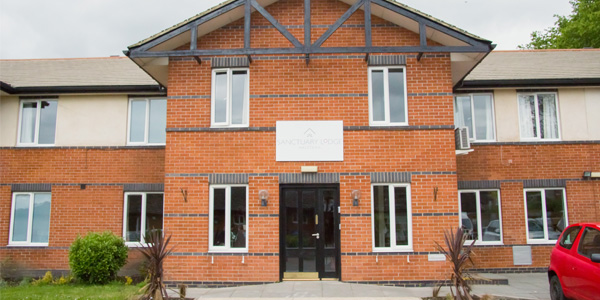
Sanctuary Lodge is a state-of-the-art detoxification and rehab facility. Lo…
- Private
- Holistic Treatment
- Onsite gym
- Residential
UKAT Rehabs
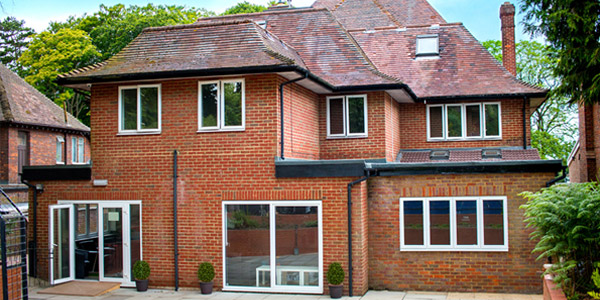
Liberty House Clinic is a fully furbished detox and rehabilitation facility…
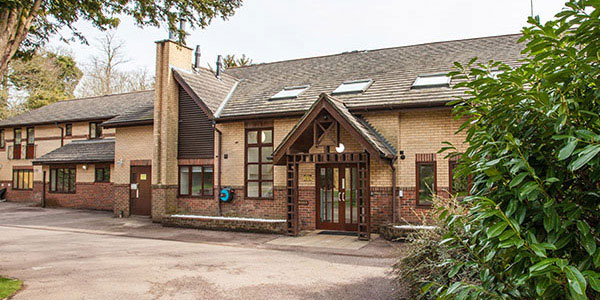
Banbury Lodge is a leading CQC approved detox, rehab and therapy clinic for…
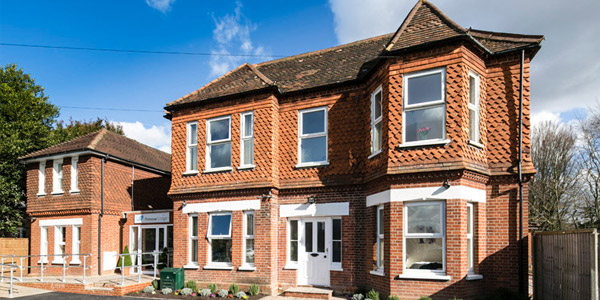
Primrose Lodge is a comfortable, fully equipped detox and rehab facility. C…
Finding Treatment Options near Essex
Please note that for all listings, their locations, times, prices and any other details on their services shown are subject to change. We recommend confirming the latest information directly through your local drug and alcohol service itself, your GP or a local authority.
-

- Aftercare
- Dual Diagnosis
- Residential
-
- Gambling
- CBT
- Residential
- Load More
Please note, with all meeting listings provided, their locations, times and availability may change. We advise you to verify locally or speak with your local GP or Local Authority to receive the most up to date information.
We have created a tool dedicated to helping you find a wide range of meetings and other free support services in your area, click the link here to use the tool to find helpful services near your location – Find Recovery Meetings Near You
-
- Free
- Outpatient
- 12 Step
-
- Free
- Outpatient
- 12 Step
-
Clarence Road Baptist Church
6 Clarence Road
Southend-on-Sea
SS1 1AN0 review- Free
- Group Setting
- 12 Step
-
- Free
- Outpatient
- 12 Step
-
- Free
- Outpatient
- 12 Step
-
- Free
- Group Setting
- 12 Step
-
- Free
- Group Setting
- 12 Step
-
0 review
- One to One
- Group Setting
- Outpatient Option
-
- One to One
- Group Setting
- Outpatient Option
-
- Free
- Outpatient
- 12 Step
-
- Free
- Outpatient
- 12 Step
-
- Free
- Outpatient
- 12 Step
-
- Free
- Group Setting
- 12 Step
-
- Free
- Counselling
- Outpatient
- Support
-
- Free
- Counselling
- Outpatient
- Support
-
0 review
- One to One
- Counselling
- Outpatient Option
- Support
-
Mental Health Unit
Basildon Hospital
Nethermayne
Basildon, SS16 5NL0 review- One to One
- Counselling
- Eating Disorder
- Support
-
- One to One
- Counselling
- Eating Disorder
- Support
-
- One to One
- Counselling
- Under 18’s
- Support
-
- One to One
- Counselling
- Under 18’s
- Support
-
Bradbury Day Centre, 103-107 York Road, Southend-on-Sea, SS1 2DL0 review
- Homelessness
- Food
- Support
- Advise
-
- Child Friendly
- Food
- 12 Step
- Advise
-
- Wheelchair Accessible
- Food
- 12 Step
- Advise
-
- Wheelchair Accessible
- Food
- 12 Step
- Advise
-
- Wheelchair Accessible
- Food
- 12 Step
- Advise
-
The Christian Link, Queens Park Community Church
Queens Park Avenue
Billericay
CM12 0UA0 review- Free
- Outpatient
- 12 Step
- Advise
-
0 review
- One to One
- Outpatient
- Outpatient Option
- Advise
-
- One to One
- Outpatient
- Eating Disorder
- Advise
-
- One to One
- Outpatient
- Eating Disorder
- Advise
-
- One to One
- Outpatient
- Eating Disorder
- Advise
-
- One to One
- Outpatient
- Eating Disorder
- Advise
-
- One to One
- Outpatient
- Eating Disorder
- Advise
-
- One to One
- Outpatient
- Eating Disorder
- Advise
-
- One to One
- Outpatient
- Eating Disorder
- Advise
-
- One to One
- Outpatient
- Eating Disorder
- Advise
-
0 review
- One to One
- Outpatient
- Outpatient Option
- Advise
-
- Free
- Outpatient
- Non 12 Step
- Advise
-
- Free
- Outpatient
- Non 12 Step
- Advise
-
- Free
- Outpatient
- Non 12 Step
- Advise
-
- Free
- Outpatient
- Non 12 Step
- Advise
- Load More




Drug & Alcohol Rehab Services in Essex
- A
- B
- C
- D
- E
- F
- G
- H
- I
- J
- K
- L
- M
- N
- O
- P
- Q
- R
- S
- T
- U
- V
- W
- X
- Y
- Z

How Does Rehab Work
Individuals should be treated on a one-to-one and group basis. To fully address their specific needs, they should receive a person-centred treatment programme for optimal recovery. Additionally, a psychiatric evaluation should also be carried out by certified psychiatrists. A rehab programme should involve a team of addiction and mental health specialists, and medical staff, as well as spiritual counsellors, and wellness specialists.
In the UK the two main choices for rehab are inpatient residential rehab and outpatient programmes. Unfortunately, Inpatient residential rehab is rarely funded by the NHS, however outpatient programmes are available throughout Southminster on a self-referral basis. Inpatient residential rehab provides many benefits over outpatient programmes, and allows the individual to detox from alcohol and substances in a safe, enclosed environment and away from any temptations.
What Happens During Alcohol and Drug Rehab in Southminster
Rehab equips individuals with tools that enable them to live meaning lives without the need for alcohol or any other substances. Qualified professionals support a caring and compassionate environment, so that individuals can start the healing process and begin their journey to long-term recovery. However, not all residential programs are the same and a person struggling with drug or alcohol addiction may not know what the ideal residential treatment program looks like. It is important that prior to choosing a residential programme, you understand what is offered to you in terms of treatment options and aftercare. A strong rehab programme should consist of individual therapy, group therapy and family therapy. Medical staff should be on standby 24-hours a day to help individuals through the detox phase, and address any concerns they may have regarding detox medication and psychotherapy.
Residential programmes should give free aftercare as part of all good programmes, and should agree to regular sessions to aid long-term recovery. All rehab facilities in the UK are required to register with the Care Quality Commission (CQC). The CQC provide a rating of each individual rehab ranging from “Inadequate” to “Outstanding”. To get an understanding of a rehab’s performance, the CQC website is a great place to start, as they provide all inspection reports and summaries of any issues found.
Addiction Therapy & Treatment Options in Southminster
When enquiring with the treatment centres, ask about the variety of therapy programmes available to you. A good rehab should have a number of therapeutic models to help individuals with psychological issues. If existing mental health conditions are present, it would be worth inquiring whether the centre specialises in dual-diagnosis. Dual-diagnosis is the presence of mental health conditions and addictions. This often necessitates a specialised treatment plan to treat both disorders simultaneously.
Therefore, a good rehab centre should be licensed to treat both mental health disorders and addiction – with the experience to treat substance dependency without impeding on any existing mental health problems (such as depression or bipolar). Where dual diagnosis is involved, a range of factors need to be taken into consideration for the well-being of the individual – such as re-assessing the use of current psychiatric medication as well as therapy undergone before rehabilitation. The first phase of rehab is detox. Detox eliminates the substances that affect the individual’s mind, preparing them for psychological treatment.
Medical Alcohol and Drug Detox
Detox is a treatment used to stop the psychological and physical addiction resulting from drug and alcohol misuse. A medical detox aides in safely getting individuals through the worst of withdrawal, by using detox medication, it eliminates any dangerous symptoms and reduces cravings that may result from sudden withdrawal. Detox medication is usually confined to those who are dependent on alcohol, benzodiazepines, opiates, and barbiturates. Detox medication is often not necessary for treating other substance dependencies.
As part of a person centred approach, medical professionals will decide whether the individual requires a medically-assisted detox, with special considerations around the individuals needs and any existing mental health conditions. It is recommended that the detox phase takes place within a residential setting, so that withdrawal symptoms and health complications can be monitored by medical professionals.

Therapy for Alcohol and Drug Addiction
Once the individual completes their detox, they will move on to the rehabilitation phase. Clinicians ensure that treatment is person centered by utilising a range of therapeutic models. One-to-one sessions should explore psychotherapy in the form of Cognitive Behavioural Therapy (CBT) and Dialectical Behavioural Therapy (DBT), amongst others. Group sessions should usually take the form of talking therapies, but may also include other forms of psychotherapy such as Art Therapy, Drama Therapy, and Meditation. The goal is to provide the best possible environment to allow the individual to gain new ways of thinking, bond with others and seek healthy, rewarding stimuli without the inclusion of drugs or alcohol.
Cost of Alcohol and Drug Rehab
A large portion of the overall cost of rehab is from Detox, as well as the length of stay and services provided. Other things to consider include amenities and location. Typically, an inpatient rehab centre charges £5000 – £10000 for a 30-day treatment. Monetary cost should never be a barrier to seeking addiction treatment, as often funding an addiction has far greater costs longer-term.
Take into consideration how much you currently spend to keep up your addiction and the health ramifications associated with substance abuse. Private insurance can sometimes be accepted by rehabs, but you must make sure your insurance provider covers addiction treatment.
How Long is Rehab?
The length of stay will vary depending on individual circumstances, with the majority of inpatient programmes ranging from 14 days up to 90 days. Longer rehab programmes have been associated with , so it may be prudent to decide on an extended rehab programme.
Some inpatient rehabs have “detox only” options – but this is not endorsed by uk-rehab, detox alone rarely treats addiction’s underlying causes. Consider a 60-90 day treatment programme for optimal recovery. This will allow for better adjusting to a life without substances, and for the therapy to have a long-lasting impact on spiritual and emotional well-being.
Southminster
Page Under Review
This page is currently under review and is being updated.
Some information displayed on this page may be outdated, incomplete or may no longer accurately reflect current services, facilities, treatment programmes, therapies, availability, admission arrangements or other service information. Information on this page should therefore not be relied upon as confirmation of current treatment provision or availability.
Where this page contains information about third-party treatment providers, organisations or support services that are not operated by UKAT, this information is provided for general informational purposes only and may also have changed since it was published. UKAT does not guarantee the accuracy or current availability of third-party services listed on this page.
Any prices displayed on this page may be outdated and are subject to change. Treatment costs can vary depending on the programme, length of stay, accommodation, individual circumstances and services required. Please contact UKAT’s Admissions Team directly to confirm current UKAT pricing, treatment options and availability before making a decision about treatment.
We are reviewing this page to ensure that the information provided accurately reflects current services and treatment provision.
For services not operated by UKAT, we recommend verifying the information independently by conducting a local search or contacting the relevant provider, your GP, local drug and alcohol service, local authority or another appropriate healthcare professional.
Latest Update: Under Review (September 2026)