


Getting help for Addiction & Substance Abuse in Hythe
Beating an addiction to drugs or alcohol requires eliminating the physical and psychological dependence, as well as addressing the behavioural issues that lead to addiction in the first place. Attempting to stop using drugs without any form of professional help can be extremely difficult, and at times dangerous where physical dependence has developed. Alcoholism or other forms of drug addiction impact physical and mental health—and it’s often the behavioural aspects of addiction that are most apparent and troubling to friends and family.
For rehab to be successful, the individual must make deep, behavioural changes whilst in treatment. The recovery success rates depend entirely on the individual’s willingness for change. In Hythe, a good rehab facility should have tailored treatment which includes a comprehensive screening process. The facility should customise the treatment plan to the needs of each individual, with their progress being regularly monitored throughout the programme.
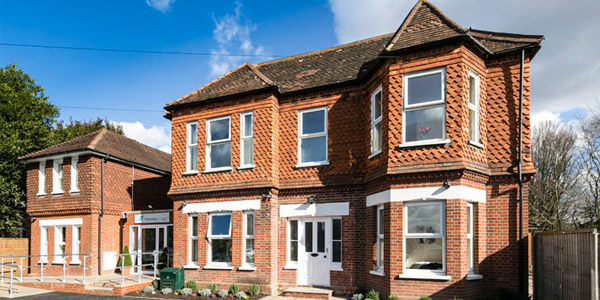
Primrose Lodge is a comfortable, fully equipped detox and rehab facility. C…
- Private
- Holistic Treatment
- Onsite gym
- Residential
UKAT Rehabs
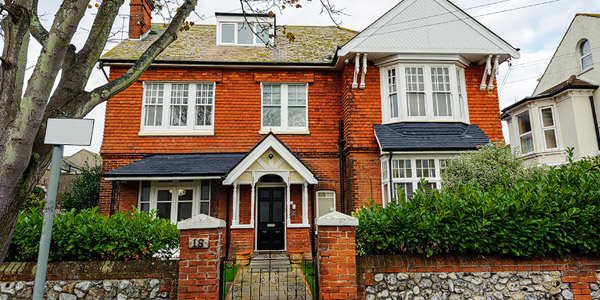
The Recovery lighthouse is an inpatient detoxification and rehab facility w…
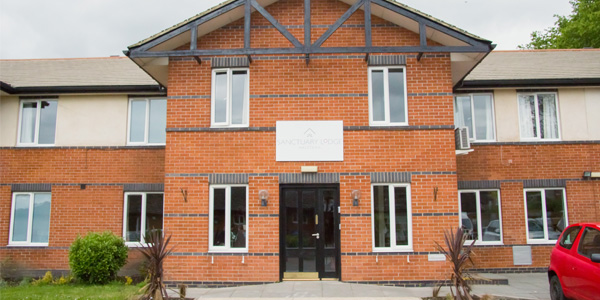
Sanctuary Lodge is a state-of-the-art detoxification and rehab facility. Lo…
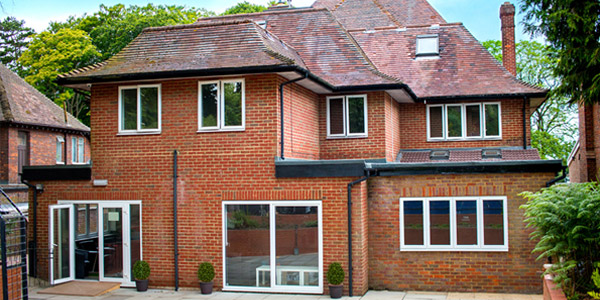
Liberty House Clinic is a fully furbished detox and rehabilitation facility…
Finding Treatment Options near Kent
Please note that for all listings, their locations, times, prices and any other details on their services shown are subject to change. We recommend confirming the latest information directly through your local drug and alcohol service itself, your GP or a local authority.
-

- Residential
- Outpatient Option
- Under 18’s
-
- 12 Step
- Aftercare
- Dual
-
- Dual
- Aftercare
- Eating Disorder
- Load More


Please note, with all meeting listings provided, their locations, times and availability may change. We advise you to verify locally or speak with your local GP or Local Authority to receive the most up to date information.
We have created a tool dedicated to helping you find a wide range of meetings and other free support services in your area, click the link here to use the tool to find helpful services near your location – Find Recovery Meetings Near You
-
- Free
- Outpatient
- 12 Step
-
- Free
- Outpatient
- 12 Step
-
- Free
- Outpatient
- 12 Step
-
- Free
- Outpatient
- 12 Step
-
- Free
- Outpatient
- 12 Step
-
- Free
- Outpatient
- 12 Step
-
- Free
- Outpatient
- 12 Step
-
- Free
- Outpatient
- 12 Step
-
- Free
- Outpatient
- 12 Step
-
- Free Service
- Outpatient
- 12 Step
-
0 review
- One to One
- Outpatient
- Outpatient Option
-
- One to One
- Outpatient
- Free Service
-
- Homelessness
- Free
- Support
- Advise
-
- Free
- Outpatient
- 12 Step
- Advise
-
Christchurch Tonbridge
(Angel Lane entrance)
Tonbridge
TN9 1SG0 review- Free
- Outpatient
- 12 Step
- Advise
-
- Free
- Outpatient
- 12 Step
- Advise
-
- Free
- Outpatient
- 12 Step
- Advise
-
- Free
- Outpatient
- 12 Step
- Advise
-
- Free Service
- Outpatient
- 12 Step
- Advise
-
- Free Service
- Outpatient
- Free Service
- Advise
-
- Free Service
- Outpatient
- Free Service
- Advise
-
0 review
- One to One
- Outpatient
- Outpatient Option
- Advise
-
- Young Persons
- Family Support
- Counselling
- Free
-
- Free
- Outpatient
- Counselling
- Free
-
- Free
- Outpatient
- Free Service
- Free
-
- Free
- Outpatient
- Free Service
- Free
-
- Free
- Outpatient
- Free Service
- Free
-
- Free
- Outpatient
- Free Service
- Free
-
- Free
- Outpatient
- Free Service
- Free
-
- Free
- Outpatient
- Free Service
- Free
-
- Free
- Outpatient
- 12 Step
- Free
-
- Free
- Outpatient
- 12 Step
- Free
-
Christ Church United Reformed Church
High Street
Tonbridge
TN9 1SG0 review- Free
- Outpatient
- 12 Step
- Free
-
- Free
- Outpatient
- 12 Step
- Free
-
- Free
- Outpatient
- 12 Step
- Free
-
- Free
- Outpatient
- 12 Step
- Free
-
0 review
- One to One
- Outpatient
- Outpatient Option
- Free
-
- One to One
- Outpatient
- Eating Disorder
- Free
-
0 review
- One to One
- Outpatient
- Outpatient Option
- Free
-
The Counselling Centre, St Georges Centre, 7 Chilston Road, Tunbridge Wells. Kent. TN4 9LP0 review
- Fees Apply
- Therapy
- Confidential
- One to One
-
- Fees Apply
- Therapy
- Free Service
- One to One
-
- Fees Apply
- Therapy
- Free Service
- One to One
-
- Fees Apply
- Therapy
- Free Service
- One to One
-
- Fees Apply
- Therapy
- Free Service
- One to One
-
- Drugs & Alcohol
- Therapy
- Under 18’s
- One to One
- Load More

Drug & Alcohol Rehab Services in Kent
- A
- B
- C
- D
- E
- F
- G
- H
- I
- J
- K
- L
- M
- N
- O
- P
- Q
- R
- S
- T
- U
- V
- W
- X
- Y
- Z

How Does Rehab Work
Treatment is provided on a one-to-one and group basis. Individuals should all receive a treatment and recovery programme customised to fully address their specific needs. Certified psychiatrists should carry out a psychiatric evaluation. All rehab programmes should be carried out by a team of mental health and addiction specialists, as well as wellness specialists, spiritual counsellors, and medical staff.
When it comes to choices for rehab, the two distinct options available in the UK are inpatient residential rehab and outpatient programmes. Inpatient residential rehab is often not available on the NHS, whereas individuals can self-refer into outpatient programmes throughout Hythe. Inpatient residential rehab provides many benefits over outpatient programmes, and allows the individual to detox from alcohol and substances in a safe, enclosed environment and away from any temptations.
What Happens During Alcohol and Drug Rehab in Hythe
Rehab empowers people who are struggling with addiction to live meaningful lives without the need for any substances including alcohol. Qualified professionals foster an environment that is caring, compassionate, and supportive, so that individuals can begin the healing process towards long-term recovery. However, residential programs vary widely and a person struggling with drug or alcohol dependency will not always know what the ideal residential treatment program looks like. It is imperative that prior to choosing a residential programme, you understand what is provided in terms of aftercare options and treatment. Rehab programmes should ideally consist of individual therapy, group therapy and family therapy. Medical staff need to be made available 24 hours a day to aid with the detox process, and address any concerns that individuals express regarding their detox medication and psychotherapy.
Good quality residential programmes should supply free aftercare as part of any programme, and should allow for regular sessions to help long-term recovery. All rehab facilities in the UK must be registered with the Care Quality Commission (CQC). The CQC provide a rating of each individual rehab ranging from “Inadequate” to “Outstanding”. To understand how well a rehab is performing, the CQC website is a good place to start, as this will identify any potential issues with an individual facility.
Addiction Therapy & Treatment Options in Hythe
When making enquiries, ask the treatment centre about the types of therapy programmes available. All decent rehabs should provide several different therapeutic models to help underlining psychological issues associated with addiction. If the individual is still dealing with mental health problems, it is worth asking the centre if they have a specialism in dual-diagnosis treatment. Dual-diagnosis is the presence of addiction and mental health conditions, in order to effectively treat both a specialised treatment is needed.
Therefore, a good rehab centre should be licensed to treat both mental health disorders and addiction – with the experience to treat substance disorders without impeding on any existing mental health issues (such as bipolar or depression). Where dual diagnosis is concerned, several factors must be taken into consideration for the individuals well-being – such as the ongoing use of existing psychiatric medication as well as therapy undergone prior to rehabilitation. The first stage of rehab is detox. Detox works to eliminate mind-altering substances from the body before psychological treatment can commence.
Medical Alcohol and Drug Detox
Detox is a treatment intended to break not only the physical addiction but also the psychological addiction that commonly occurs after drug and alcohol misuse. A medical detox aides in safely getting individuals through the worst of withdrawal, by using detox medication, it eliminates any dangerous symptoms and reduces cravings that may result from sudden withdrawal. Detox medication is not always needed, and is usually confined to individuals who are dependent on opiates, benzodiazepines, alcohol,and barbiturates.
Medical professionals will assess whether the individual requires a medically-assisted detox, with additional considerations involving the individuals needs and any existing mental health conditions. It is advised that the detox process happens within a residential setting, so that medical professionals can accurately assess any health complications and withdrawal symptoms that may arise.

Therapy for Alcohol and Drug Addiction
After completing detox the individual will begin the rehabilitation phase. Clinicians should utilise a large array of therapeutic models to create a personalised treatment plan. One-to-one sessions should utilise psychotherapy in the form of Cognitive Behavioural Therapy (CBT) and Dialectical Behavioural Therapy (DBT), amongst others. Group sessions should usually take the form of talking therapies, but may also include other forms of psychotherapy such as Art Therapy, Drama Therapy, and Meditation. The aim is to create the optimal environment that allows the individual to explore new ways of thinking, bond with peers and seek healthy, rewarding stimuli without the need for drugs or alcohol.
Cost of Alcohol and Drug Rehab
A large portion of the overall cost of rehab is from Detox, as well as the length of stay and services provided. Other things to consider include amenities and location. Inpatient rehab centres typically charge £5000 – £10000 for a 30-day treatment. Cost should not be a barrier to seeking addiction treatment, as often the longer-term cost of maintaining an addiction is far greater.
Take into consideration the cost to maintain your addiction and the health issues caused by substance abuse. In some cases inpatient rehabs accept private insurance, but you must make sure addiction treatment is covered by your insurance provider first.
How Long is Rehab?
Most inpatient programmes vary from 14 days up to 90 days, but the length of stay will often depend on the circumstances of the individual. Longer rehab programmes have been shown to , so it may be prudent to choose extended rehab programmes.
Some inpatient rehabs have “detox only” options – but this is not endorsed by uk-rehab, detox alone rarely treats addiction’s underlying causes. Consider a 60-90 day treatment programme for optimal recovery. This will allow for better adjusting to a life without substances, and for the therapy to have a long-lasting impact on spiritual and emotional well-being.
Page Under Review
This page is currently under review and is being updated.
Some information displayed on this page may be outdated, incomplete or may no longer accurately reflect current services, facilities, treatment programmes, therapies, availability, admission arrangements or other service information. Information on this page should therefore not be relied upon as confirmation of current treatment provision or availability.
Where this page contains information about third-party treatment providers, organisations or support services that are not operated by UKAT, this information is provided for general informational purposes only and may also have changed since it was published. UKAT does not guarantee the accuracy or current availability of third-party services listed on this page.
Any prices displayed on this page may be outdated and are subject to change. Treatment costs can vary depending on the programme, length of stay, accommodation, individual circumstances and services required. Please contact UKAT’s Admissions Team directly to confirm current UKAT pricing, treatment options and availability before making a decision about treatment.
We are reviewing this page to ensure that the information provided accurately reflects current services and treatment provision.
For services not operated by UKAT, we recommend verifying the information independently by conducting a local search or contacting the relevant provider, your GP, local drug and alcohol service, local authority or another appropriate healthcare professional.
Latest Update: Under Review (September 2026)