



Getting help for Addiction & Substance Abuse in Greenford
Beating drug addiction or alcoholism involves therapy to address the behavioural issues that lead to addiction first, whilst treating both physical and psychological dependence. Attempting to stop using drugs without any form of professional help can be extremely difficult, and at times dangerous where physical dependence has developed. All forms of drug addiction and alcoholism negatively impact the individual’s mental and physical health. Friends and family often find the behavioural aspects of addiction the most apparent and troubling to experience.
For rehab to be successful, one must be willing to make significant behavioural changes whilst in treatment. The recovery success rates are entirely dependent on the individual’s willingness for change. In Greenford, a good rehab facility should have tailored treatment which includes a comprehensive screening process. The facility should customise the treatment plan to the needs of each individual, with their progress being regularly monitored throughout the programme.
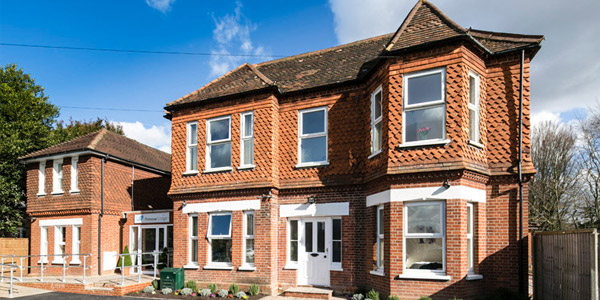
Primrose Lodge is a comfortable, fully equipped detox and rehab facility. C…
- Private
- Holistic Treatment
- Onsite gym
- Residential
UKAT Rehabs
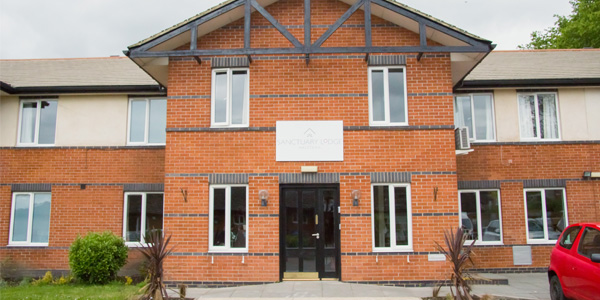
Sanctuary Lodge is a state-of-the-art detoxification and rehab facility. Lo…
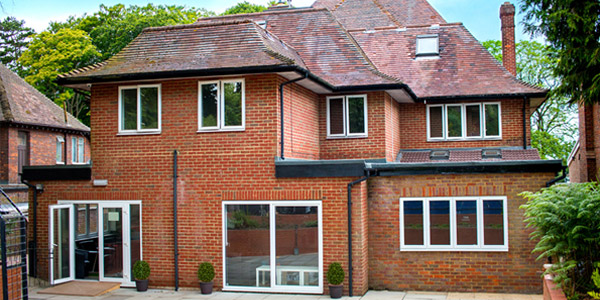
Liberty House Clinic is a fully furbished detox and rehabilitation facility…
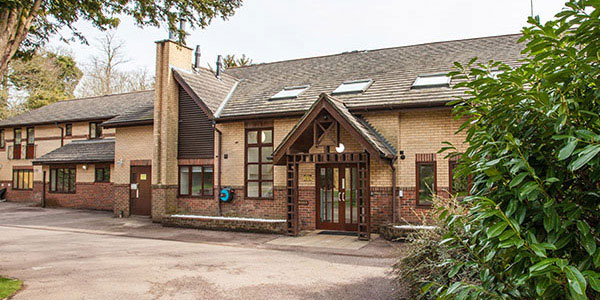
Banbury Lodge is a leading CQC approved detox, rehab and therapy clinic for…
Finding Treatment Options near London
Please note that for all listings, their locations, times, prices and any other details on their services shown are subject to change. We recommend confirming the latest information directly through your local drug and alcohol service itself, your GP or a local authority.
-

- Private
- Outpatient Option
-
- Gambling
- Outpatient Option
- Eating Disorder
-
- Gambling
- Outpatient Option
- Eating Disorder
-
- Eating Disorder
- Outpatient Option
- Eating Disorder
-
Ellern Mede Ridgeway
The Ridgeway
Mill Hill
NW7 4HX0 review- Eating Disorder
- Outpatient Option
- Eating Disorder
-
- Non 12 Step
- CBT
- Holistic Treatment
- Residential
-
- 12 Step
- Outpatient Option
- Holistic Treatment
- Residential
-
- 12 Step
- Outpatient Option
- Holistic Treatment
- Residential
-
- 12 Step
- Outpatient Option
- Holistic Treatment
- Residential
-
The John Kitchen Centre,
22 Linden Grove,
Nunhead,
SE15 3LF0 review- 12 Step
- Fully Residential
- Holistic Treatment
- Residential
-
- Trauma Therapy
- Family Workshops
- Outpatient Option
- Residential
-
- Residential
- 12 Step
- Dual Diagnosis
- Residential
-
- Residential
- Eating Disorder
- Gambling
- Outpatient Option
-
- Private
- Outpatient Option
- Gambling
- Outpatient Option
- Load More









Please note, with all meeting listings provided, their locations, times and availability may change. We advise you to verify locally or speak with your local GP or Local Authority to receive the most up to date information.
We have created a tool dedicated to helping you find a wide range of meetings and other free support services in your area, click the link here to use the tool to find helpful services near your location – Find Recovery Meetings Near You
-
- Private
- Outpatient Option
- Gambling
- Outpatient Option
-
- Private
- Outpatient Option
- Gambling
- Outpatient Option
-
- 12 Step
- Group Setting
- Free
- Outpatient
-
- 12 Step
- Group Setting
- Free
- Outpatient
-
- 12 Step
- Group Setting
- Free
- Outpatient
-
- 12 Step
- Group Setting
- Free
- Outpatient
-
- 12 Step
- Group Setting
- Free
- Outpatient
-
- 12 Step
- Group Setting
- Free
- Outpatient
-
- 12 Step
- Group Setting
- Free
- Outpatient
-
- 12 Step
- Group Setting
- Free
- Outpatient
-
- 12 Step
- Group Setting
- Free
- Outpatient
-
- 12 Step
- Group Setting
- Free
- Outpatient
-
- 12 Step
- Group Setting
- Free
- Outpatient
-
- 12 Step
- Group Setting
- Free
- Outpatient
-
- 12 Step
- Group Setting
- Free
- Outpatient
-
- 12 Step
- Group Setting
- Free
- Outpatient
-
- 12 Step
- Group Setting
- Free
- Outpatient
-
- 12 Step
- Group Setting
- Free
- Outpatient
-
- 12 Step
- Group Setting
- Free
- Outpatient
-
- 12 Step
- Group Setting
- Free
- Outpatient
-
- 12 Step
- Group Setting
- Free
- Outpatient
-
- 12 Step
- Group Setting
- Free
- Outpatient
-
Staff Canteen (behind Chapel),
Bethlem Royal Hospital,
Monks Orchard Rd
BR3 3BX0 review- 12 Step
- Group Setting
- Free
- Outpatient
-
- 12 Step
- Group Setting
- Free
- Outpatient
-
- 12 Step
- Group Setting
- Free
- Outpatient
-
- 12 Step
- Group Setting
- Free
- Outpatient
-
- 12 Step
- Group Setting
- Free
- Outpatient
-
- 12 Step
- Group Setting
- Free
- Outpatient
-
- 12 Step
- Group Setting
- Free
- Outpatient
-
- 12 Step
- Group Setting
- Free
- Outpatient
-
Aurora Project Lambeth,
140 Stockwell Rd
(the door is on Cambermere Rd)
SW9 9TQ0 review- 12 Step
- Group Setting
- Free
- Outpatient
-
- 12 Step
- Group Setting
- Free
- Outpatient
-
- 12 Step
- Group Setting
- Free
- Outpatient
-
- 12 Step
- Group Setting
- Free
- Outpatient
-
We Are With You (Formerly AddAction) Brent,
97 Cobbold Rd, Willesden
NW10 9SU0 review- 12 Step
- Group Setting
- Free
- Outpatient
-
- 12 Step
- Group Setting
- Free
- Outpatient
-
- 12 Step
- Group Setting
- Free
- Outpatient
-
- 12 Step
- Group Setting
- Free
- Outpatient
-
- 12 Step
- Group Setting
- Free
- Outpatient
-
- 12 Step
- Group Setting
- Free
- Outpatient
-
- 12 Step
- Group Setting
- Free
- Outpatient
-
- 12 Step
- Group Setting
- Free
- Outpatient
-
- 12 Step
- Group Setting
- Free
- Outpatient
-
- 12 Step
- Group Setting
- Free
- Outpatient
-
35 London Road
(Entrance via front door BDAS building)
35 London Road.
BR1 1DG0 review- 12 Step
- Group Setting
- Free
- Outpatient
-
Multi-Purpose Rm,
Ground Floor (left at reception), Hillingdon Hospital Mental Health Unit, 3-4
UB8 1QW0 review- 12 Step
- Group Setting
- Free
- Outpatient
-
- 12 Step
- Group Setting
- Free
- Outpatient
-
- 12 Step
- Group Setting
- Free
- Outpatient
-
- 12 Step
- Group Setting
- Free
- Outpatient
-
- 12 Step
- Group Setting
- Free
- Outpatient
-
- 12 Step
- Group Setting
- Free
- Outpatient
-
- 12 Step
- Group Setting
- Free
- Outpatient
-
Clarence Hall, Hawley Rd,
Bradfield Estate
(opp hairdressers and Hawley School).
NW1 8RN0 review- 12 Step
- Group Setting
- Free
- Outpatient
-
- 12 Step
- Group Setting
- Free
- Outpatient
-
- 12 Step
- Group Setting
- Free
- Outpatient
-
- 12 Step
- Group Setting
- Free
- Outpatient
-
- 12 Step
- Group Setting
- Free
- Outpatient
-
- 12 Step
- Group Setting
- Free
- Outpatient
-
- 12 Step
- Group Setting
- Free
- Outpatient
-
- 12 Step
- Group Setting
- Free
- Outpatient
-
Neal’s Yard meeting rooms,
(door to left of 14 Neal’s Yard, downstairs)
WC2H 9DP0 review- 12 Step
- Group Setting
- Free
- Outpatient
-
- 12 Step
- Group Setting
- Free
- Outpatient
-
- 12 Step
- Group Setting
- Free
- Outpatient
-
- 12 Step
- Group Setting
- Free
- Outpatient
-
- 12 Step
- Group Setting
- Free
- Outpatient
-
- 12 Step
- Group Setting
- Free
- Outpatient
-
- 12 Step
- Group Setting
- Free
- Outpatient
-
- 12 Step
- Group Setting
- Free
- Outpatient
-
- 12 Step
- Group Setting
- Free
- Outpatient
-
- 12 Step
- Group Setting
- Free
- Outpatient
-
- 12 Step
- Group Setting
- Free
- Outpatient
-
- 12 Step
- Group Setting
- Free
- Outpatient
-
- 12 Step
- Group Setting
- Free
- Outpatient
-
- 12 Step
- Group Setting
- Free
- Outpatient
-
- 12 Step
- Group Setting
- Free
- Outpatient
-
- 12 Step
- Group Setting
- Free
- Outpatient
-
- 12 Step
- Group Setting
- Free
- Outpatient
-
- 12 Step
- Group Setting
- Free
- Outpatient
-
- 12 Step
- Group Setting
- Free
- Outpatient
-
- 12 Step
- Group Setting
- Free
- Outpatient
-
- 12 Step
- Group Setting
- Free
- Outpatient
-
- 12 Step
- Group Setting
- Free
- Outpatient
-
- 12 Step
- Group Setting
- Free
- Outpatient
-
- 12 Step
- Group Setting
- Free
- Outpatient
-
- 12 Step
- Group Setting
- Free
- Outpatient
-
- 12 Step
- Group Setting
- Free
- Outpatient
-
- 12 Step
- Group Setting
- Free
- Outpatient
-
- 12 Step
- Group Setting
- Free
- Outpatient
-
St Annes & All Saints Church,
Miles St, South Lambeth Rd,
(5 min walk from Vauxhall Stn & Bus Depot).
SW8 1RL0 review- 12 Step
- Group Setting
- Free
- Outpatient
-
- 12 Step
- Group Setting
- Free
- Outpatient
-
- 12 Step
- Group Setting
- Free
- Outpatient
-
- 12 Step
- Group Setting
- Free
- Outpatient
-
- 12 Step
- Group Setting
- Free
- Outpatient
-
- 12 Step
- Group Setting
- Free
- Outpatient
-
- 12 Step
- Group Setting
- Free
- Outpatient
-
- 12 Step
- Group Setting
- Free
- Outpatient
-
- 12 Step
- Group Setting
- Free
- Outpatient
-
- 12 Step
- Group Setting
- Free
- Outpatient
-
- 12 Step
- Group Setting
- Free
- Outpatient
-
- 12 Step
- Group Setting
- Free
- Outpatient
-
- 12 Step
- Group Setting
- Free
- Outpatient
-
- 12 Step
- Group Setting
- Free
- Outpatient
-
- 12 Step
- Group Setting
- Free
- Outpatient
-
- 12 Step
- Group Setting
- Free
- Outpatient
-
- 12 Step
- Group Setting
- Free
- Outpatient
-
- 12 Step
- Group Setting
- Free
- Outpatient
-
St Johns Church Hall ( rear side door )
Bourne Hill, Palmers Green
N13 4DA0 review- 12 Step
- Group Setting
- Free
- Outpatient
-
- 12 Step
- Group Setting
- Free
- Outpatient
-
- 12 Step
- Group Setting
- Free
- Outpatient
-
- 12 Step
- Group Setting
- Free
- Outpatient
-
- 12 Step
- Group Setting
- Free
- Outpatient
-
Hudson House
1 Stockwell Green (Landor Road)
Junction of Stockwell Road
SW9 9JF0 review- 12 Step
- Group Setting
- Free
- Outpatient
-
- 12 Step
- Group Setting
- Free
- Outpatient
-
- 12 Step
- Group Setting
- Free
- Outpatient
-
- 12 Step
- Group Setting
- Free
- Outpatient
-
- 12 Step
- Group Setting
- Free
- Outpatient
-
- 12 Step
- Group Setting
- Free
- Outpatient
-
- 12 Step
- Group Setting
- Free
- Outpatient
-
- 12 Step
- Group Setting
- Free
- Outpatient
-
- 12 Step
- Group Setting
- Free
- Outpatient
-
- 12 Step
- Group Setting
- Free
- Outpatient
-
- 12 Step
- Group Setting
- Free
- Outpatient
-
- 12 Step
- Group Setting
- Free
- Outpatient
-
- 12 Step
- Group Setting
- Free
- Outpatient
-
- 12 Step
- Group Setting
- Free
- Outpatient
-
- 12 Step
- Group Setting
- Free
- Outpatient
-
- 12 Step
- Group Setting
- Free
- Outpatient
-
- 12 Step
- Group Setting
- Free
- Outpatient
-
- 12 Step
- Group Setting
- Free
- Outpatient
-
86 Leadenhall Street (entrance is via Mitre Street)
City of London
EC3A 3BP0 review- Free
- Outpatient
- Free
- Outpatient
-
The Crypt St Mary Le Bow Church
Bow Churchyard
Cheapside
EC2V 6AU0 review- Free
- Outpatient
- Free
- Outpatient
-
- Free
- Outpatient
- Free
- Outpatient
-
- 12 Step
- Group Setting
- Free
- Outpatient
-
- 12 Step
- Group Setting
- Free
- Outpatient
-
- Under 18’s
- Group Setting
- Free
- Outpatient
-
- Under 18’s
- Group Setting
- Free
- Outpatient
-
- Under 18’s
- Group Setting
- Free
- Outpatient
-
- Under 18’s
- Group Setting
- Free
- Outpatient
-
- Under 18’s
- Group Setting
- Free
- Outpatient
-
- Under 18’s
- Group Setting
- Free
- Outpatient
-
- Under 18’s
- Group Setting
- Free
- Outpatient
-
- Under 18’s
- Group Setting
- Free
- Outpatient
-
- Under 18’s
- Group Setting
- Free
- Outpatient
-
- Under 18’s
- Group Setting
- Free
- Outpatient
-
- Under 18’s
- Group Setting
- Free
- Outpatient
-
- Under 18’s
- Group Setting
- Free
- Outpatient
-
- Under 18’s
- Group Setting
- Free
- Outpatient
-
- Under 18’s
- Group Setting
- Free
- Outpatient
-
Unit 2, Ilex House
94 Holly Road
Twickenham TW1 4HF0 review- Under 18’s
- Group Setting
- Free
- Outpatient
-
- Under 18’s
- Group Setting
- Free
- Outpatient
-
- Under 18’s
- Group Setting
- Free
- Outpatient
-
- Under 18’s
- Group Setting
- Free
- Outpatient
-
- Under 18’s
- Group Setting
- Free
- Outpatient
-
- Under 18’s
- Group Setting
- Free
- Outpatient
-
The Michael Rutter Centre, The Maudsley Hospital
De Crespigny Park Off Denmark Hill
SE5 8AZ0 review- Under 18’s
- Group Setting
- Free
- Outpatient
-
- Under 18’s
- Group Setting
- Free
- Outpatient
-
- Under 18’s
- Group Setting
- Free
- Outpatient
-
- Under 18’s
- Group Setting
- Free
- Outpatient
-
- Under 18’s
- Group Setting
- Free
- Outpatient
-
City of London Therapy Centre
45 Central Street
lslington, EC1V 8AB0 review- Under 18’s
- Group Setting
- Free
- Outpatient
-
- LGBTQ Conscious
- Group Setting
- Free
- Outpatient
-
- Under 18’s
- Group Setting
- Free
- Outpatient
-
- Under 18’s
- Group Setting
- Free
- Outpatient
-
- Under 18’s
- Group Setting
- Free
- Outpatient
-
- Under 18’s
- Group Setting
- Free
- Outpatient
-
- Under 18’s
- Group Setting
- Free
- Outpatient
-
- Under 18’s
- Group Setting
- Free
- Outpatient
-
- Under 18’s
- Group Setting
- Free
- Outpatient
-
- Under 18’s
- Group Setting
- Free
- Outpatient
-
18 Greatorex Street
Whitechapel
E1 5NF0 review- Eating Disorder
- Group Setting
- Free
- Outpatient
-
- Eating Disorder
- Group Setting
- Free
- Outpatient
-
Tyson House West, Bethlem Royal Hospital
Monks Orchard Road
Beckenham
BR3 3BX0 review- Eating Disorder
- Group Setting
- Free
- Outpatient
-
- Eating Disorder
- Group Setting
- Free
- Outpatient
-
3 Northumberland Park Resource Centre
177 Park Lane
Tottenham
N17 0HJ0 review- Eating Disorder
- Group Setting
- Free
- Outpatient
-
- Eating Disorder
- Group Setting
- Free
- Outpatient
-
- Eating Disorder
- Group Setting
- Free
- Outpatient
-
- Eating Disorder
- Group Setting
- Free
- Outpatient
-
- Eating Disorder
- Group Setting
- Free
- Outpatient
-
- Eating Disorder
- Group Setting
- Free
- Outpatient
-
- Eating Disorder
- Group Setting
- Free
- Outpatient
-
- Eating Disorder
- Group Setting
- Free
- Outpatient
-
- Eating Disorder
- Group Setting
- Free
- Outpatient
-
- Eating Disorder
- Group Setting
- Free
- Outpatient
-
Lambeth Early Intervention and Prevention Service
Wooden Spoon House
5 Dugard Way
SE11 4TH0 review- Eating Disorder
- Group Setting
- Free
- Outpatient
-
- Eating Disorder
- Group Setting
- Free
- Outpatient
-
1st Floor
Our Lady Of Good Counsel
24 Bouverie Road, Stoke Newington
N16 0AJ0 review- 12 Step
- Group Setting
- Free
- Outpatient
-
- 12 Step
- Group Setting
- Free
- Outpatient
-
- 12 Step
- Group Setting
- Free
- Outpatient
-
- 12 Step
- Group Setting
- Free
- Outpatient
-
- 12 Step
- Group Setting
- Free
- Outpatient
-
- 12 Step
- Group Setting
- Free
- Outpatient
-
- 12 Step
- Group Setting
- Free
- Outpatient
-
- 12 Step
- Group Setting
- Free
- Outpatient
-
- 12 Step
- Group Setting
- Free
- Outpatient
-
- 12 Step
- Group Setting
- Free
- Outpatient
-
- 12 Step
- Group Setting
- Free
- Outpatient
-
- 12 Step
- Group Setting
- Free
- Outpatient
-
- 12 Step
- Group Setting
- Free
- Outpatient
-
- 12 Step
- Group Setting
- Free
- Outpatient
-
- 12 Step
- Group Setting
- Free
- Outpatient
-
- 12 Step
- Group Setting
- Free
- Outpatient
-
- 12 Step
- Group Setting
- Free
- Outpatient
-
The William Carey Room
South Harrow Baptist Church
270 Northolt Road
HA2 8EB0 review- 12 Step
- Group Setting
- Free
- Outpatient
-
- 12 Step
- Group Setting
- Free
- Outpatient
-
- 12 Step
- Group Setting
- Free
- Outpatient
-
- 12 Step
- Group Setting
- Free
- Outpatient
-
- 12 Step
- Group Setting
- Free
- Outpatient
-
- 12 Step
- Group Setting
- Free
- Outpatient
-
- 12 Step
- Group Setting
- Free
- Outpatient
-
Hounslow Cornerstone Seventh-day Adventist Church
178 Heston Road
TW5 0QU0 review- 12 Step
- Group Setting
- Free
- Outpatient
-
The Crypt Centre
St Mary Magdalene Church
Munster Square, Regents Park Estate
NW1 3PL0 review- 12 Step
- Group Setting
- Free
- Outpatient
-
- 12 Step
- Group Setting
- Free
- Outpatient
-
- 12 Step
- Group Setting
- Free
- Outpatient
-
- 12 Step
- Group Setting
- Free
- Outpatient
-
- 12 Step
- Group Setting
- Free
- Outpatient
-
- 12 Step
- Group Setting
- Free
- Outpatient
-
- 12 Step
- Group Setting
- Free
- Outpatient
-
- 12 Step
- Group Setting
- Free
- Outpatient
-
- 12 Step
- Group Setting
- Free
- Outpatient
-
- 12 Step
- Group Setting
- Free
- Outpatient
-
- 12 Step
- Group Setting
- Free
- Outpatient
-
- 12 Step
- Group Setting
- Free
- Outpatient
-
- 12 Step
- Group Setting
- Free
- Outpatient
-
- 12 Step
- Group Setting
- Free
- Outpatient
-
- 12 Step
- Group Setting
- Free
- Outpatient
-
- 12 Step
- Group Setting
- Free
- Outpatient
-
- 12 Step
- Group Setting
- Free
- Outpatient
-
- 12 Step
- Group Setting
- Free
- Outpatient
-
- 12 Step
- Group Setting
- Free
- Outpatient
-
- 12 Step
- Group Setting
- Free
- Outpatient
-
At the Front of The Building
Edward Woods Community Centre
60-70 Norland Road
W11 4TX0 review- 12 Step
- Group Setting
- Free
- Outpatient
-
- 12 Step
- Group Setting
- Free
- Outpatient
-
- 12 Step
- Group Setting
- Free
- Outpatient
-
- 12 Step
- Group Setting
- Free
- Outpatient
-
- 12 Step
- Group Setting
- Free
- Outpatient
-
Occupational Therapy Unit
Grovelands Priory Hospital
The Bourne, Queen Elizabeth Drive
N14 6RA0 review- 12 Step
- Group Setting
- Free
- Outpatient
-
- 12 Step
- Group Setting
- Free
- Outpatient
-
- 12 Step
- Group Setting
- Free
- Outpatient
-
- 12 Step
- Group Setting
- Free
- Outpatient
-
- 12 Step
- Group Setting
- Free
- Outpatient
-
- 12 Step
- Group Setting
- Free
- Outpatient
-
- 12 Step
- Group Setting
- Free
- Outpatient
-
- 12 Step
- Group Setting
- Free
- Outpatient
-
- 12 Step
- Group Setting
- Free
- Outpatient
-
- 12 Step
- Group Setting
- Free
- Outpatient
-
- 12 Step
- Group Setting
- Free
- Outpatient
-
- 12 Step
- Group Setting
- Free
- Outpatient
-
0 review
- One to One
- Group Setting
- Free
- Outpatient
-
- Eating Disorder
- Group Setting
- Free
- Outpatient
-
- Eating Disorder
- Group Setting
- Free
- Outpatient
-
- Eating Disorder
- Group Setting
- Free
- Outpatient
-
- Eating Disorder
- Group Setting
- Free
- Outpatient
-
- Eating Disorder
- Group Setting
- Free
- Outpatient
-
- Eating Disorder
- Group Setting
- Free
- Outpatient
-
- Eating Disorder
- Group Setting
- Free
- Outpatient
-
- Eating Disorder
- Group Setting
- Free
- Outpatient
-
0 review
- One to One
- Group Setting
- Free
- Outpatient
-
- One to One
- Group Setting
- Free
- Outpatient
-
- One to One
- Group Setting
- Free
- Outpatient
-
- One to One
- Group Setting
- Free
- Outpatient
-
- One to One
- Group Setting
- Free
- Outpatient
-
- One to One
- Group Setting
- Free
- Outpatient
-
- One to One
- Group Setting
- Free
- Outpatient
-
- One to One
- Group Setting
- Free
- Outpatient
-
- One to One
- Group Setting
- Free
- Outpatient
-
- One to One
- Group Setting
- Free
- Outpatient
-
- Eating Disorder
- Group Setting
- Free
- Outpatient
-
- Eating Disorder
- Group Setting
- Free
- Outpatient
-
- Eating Disorder
- Group Setting
- Free
- Outpatient
-
- Eating Disorder
- Group Setting
- Free
- Outpatient
-
- Eating Disorder
- Group Setting
- Free
- Outpatient
-
MIND in Tower Hamlets and Newham
Open House, 13 Whitethorn Street
E3 4DA0 review- Eating Disorder
- Group Setting
- Free
- Outpatient
-
- Eating Disorder
- Group Setting
- Free
- Outpatient
-
- Eating Disorder
- Group Setting
- Free
- Outpatient
-
Square Mile Therapy
Room 14/14a, Albert Buildings
49 Queen Victoria Street
London EC4N 4SA0 review- Eating Disorder
- Group Setting
- Free
- Outpatient
-
- Eating Disorder
- Group Setting
- Free
- Outpatient
-
- Eating Disorder
- Group Setting
- Free
- Outpatient
-
- Eating Disorder
- Group Setting
- Free
- Outpatient
-
Drysdale Building
City, University of London
Northampton Square
London
EC1V 0HB
United Kingdom0 review- Eating Disorder
- Group Setting
- Free
- Outpatient
-
Wandsworth Carers Centre
181 Wandsworth High Street
Greater London
SW18 4JE0 review- Eating Disorder
- Group Setting
- Free
- Outpatient
-
Jubilee Health Centre East
6 Stanley Park Road
Greater London
SM6 0HY0 review- Eating Disorder
- Group Setting
- Free
- Outpatient
-
- Eating Disorder
- Group Setting
- Free
- Outpatient
-
- Eating Disorder
- Group Setting
- Free
- Outpatient
-
The Hudson Centre,
13 John Prince’s Street,
Cavendish Square, London
W1G OJR0 review- Eating Disorder
- Group Setting
- Free
- Outpatient
-
St Ann’s Hospital
St Ann’s Road
London
N15 3TH0 review- Eating Disorder
- Group Setting
- Free
- Outpatient
-
- Eating Disorder
- Group Setting
- Free
- Outpatient
-
- Eating Disorder
- Group Setting
- Free
- Outpatient
-
- Eating Disorder
- Group Setting
- Free
- Outpatient
-
6th Floor Anchorage House
2 Clove Crescent
Greater London
London E14 1BY0 review- Eating Disorder
- Group Setting
- Free
- Outpatient
-
- Eating Disorder
- Group Setting
- Free
- Outpatient
-
- Eating Disorder
- Group Setting
- Free
- Outpatient
-
- Eating Disorder
- Group Setting
- Free
- Outpatient
-
- Eating Disorder
- Group Setting
- Free
- Outpatient
-
- Under 18’s
- Group Setting
- Free
- Outpatient
-
- Under 18’s
- Group Setting
- Free
- Outpatient
-
- Under 18’s
- Group Setting
- Free
- Outpatient
-
- Under 18’s
- Group Setting
- Free
- Outpatient
-
- Under 18’s
- Group Setting
- Free
- Outpatient
-
- Under 18’s
- Group Setting
- Free
- Outpatient
-
- Under 18’s
- Group Setting
- Free
- Outpatient
-
Ground Floor, Building 5
Springfield University Hospital , 61 Glenburnie Road
SW17 7DJ0 review- Eating Disorder
- Group Setting
- Free
- Outpatient
-
42 York Street
Greater London
Twickenham TW1 3BW0 review- Under 18’s
- Group Setting
- Free
- Outpatient
-
The Point
47 Woolwich New Road
Woolwich
SE18 6EW0 review- Under 18’s
- Group Setting
- Free
- Outpatient
-
The Point
47 Woolwich New Road
Woolwich
SE18 6EW0 review- Under 18’s
- Group Setting
- Free
- Outpatient
- Load More












Drug & Alcohol Rehab Services in London
- A
- B
- C
- D
- E
- F
- G
- H
- I
- J
- K
- L
- M
- N
- O
- P
- Q
- R
- S
- T
- U
- V
- W
- X
- Y
- Z
- Barking
- Barnes
- Barnet
- Beckenham
- Bromley
- Camberwell
- Camden
- Catford
- Chelsea
- Chingford
- Chiswick
- Clapham
- Croydon
- Dagenham
- Deptford
- Ealing
- Edgware
- Enfield
- Erith
- Finchley
- Fulham
- Greenwich
- Hackney
- Hammersmith
- Hampstead
- Harrow
- Hayes
- Hendon
- Hillingdon
- Hounslow
- Ilford
- Isleworth
- Islington
- Kensington
- Kingston
- Lambeth
- Lewisham
- Merton
- Morden
- Newham
- Orpington
- Poplar
- Richmond
- Romford
- Southall
- Southgate
- Southwark
- Stratford
- Surbiton
- Sutton
- Teddington
- Tottenham
- Twickenham
- Upminster
- Uxbridge
- Wallington
- Walthamstow
- Wandsworth
- Wanstead
- Westminster
- Wimbledon
- Woolwich
- Bexleyheath

How Does Rehab Work
Individuals will receive one-on-one and group treatment as part of a treatment and recovery programme – customised to fully address their specific needs. Additionally, a psychiatric evaluation should also be carried out by certified psychiatrists. A team of addiction and mental health specialists should carry out every rehab programme, aided by spiritual counsellors, wellness specialists and medical staff.
When it comes to choices for rehab, the two distinct options available in the UK are inpatient residential rehab and outpatient programmes. Inpatient residential rehab is often not available on the NHS, whereas individuals can self-refer into outpatient programmes throughout Greenford. Inpatient residential rehab has many significant benefits over outpatient programmes. Inpatient rehab enables the individual to detox from substances and alcohol in an enclosed, safe, environment, without giving in to any temptations.
What Happens During Alcohol and Drug Rehab in Greenford
Rehab provides individuals with the necessary tools to live meaningful lives without the need for substances including alcohol. Qualified professionals support a caring and compassionate environment, so that individuals can start the healing process and begin their journey to long-term recovery. This aside, not all residential programs are identical and a person who’s struggling with alcohol or drug addiction may not be able to identify the right residential treatment programs. It is important that before choosing a residential programme, you understand what it entails in terms of treatment and aftercare options. Any rehab programme should include family therapy, individual therapy, and group therapy. Medical staff should be available 24-hours a day to guide individuals through the detox stage, and help with any concerns they might have regarding detox medication and psychotherapy.
Good residential programmes should provide free aftercare as part of any programme, and should allow for regular sessions to promote long-term recovery. It is a requirement for all rehab facilities in the UK to register with the Care Quality Commission (CQC). The CQC provide a rating of each individual rehab ranging from “Inadequate” to “Outstanding”. To investigate how a rehab is performing, a great starting point is the CQC website, as they provide copies of inspection reports highlighting issues and areas of excellence.
Addiction Therapy & Treatment Options in Greenford
When you begin making enquiries, ask about the different therapy programmes the centre provides. A good rehab should have several therapeutic models to help those dealing with psychological issues. If the individual is still dealing with mental health problems, it is worth asking the centre if they have a specialism in dual-diagnosis treatment. Dual-diagnosis is the presence of addiction and mental health conditions, in order to effectively treat both a specialised treatment is needed.
Therefore, good rehab centres should ideally be licensed to treat mental health disorders as well as addiction – with the expertise to provide treatment for substance dependency without negatively impacting any existing mental health issues (such as depression or bipolar). Where dual diagnosis is concerned, several factors must be taken into consideration for the individuals well-being – such as the ongoing use of existing psychiatric medication as well as therapy undergone prior to rehabilitation. Detox is the first stage of rehab. Detox eliminates the mind-altering substances from the body before moving on to psychological treatment.
Medical Alcohol and Drug Detox
Detox is a treatment that intends to break both the physical and psychological addiction caused by drug and alcohol misuse. A medical detox can be defined as medically-assisted, as often detox medication is provided to alleviate many of the dangerous symptoms associated with withdrawal. Detox medication is more common in those who are dependent on opiates, alcohol, barbiturates, and benzodiazepines.
As part of a person centred approach, medical professionals will decide whether the individual requires a medically-assisted detox, with special considerations around the individuals needs and any existing mental health conditions. It is recommended that the detox phase takes place within a residential setting, so that withdrawal symptoms and health complications can be monitored by medical professionals.

Therapy for Alcohol and Drug Addiction
The rehabilitation phase begins once the individual completes their detox. Clinicians should employ a wide range of therapeutic models to allow for person centered treatment. One-to-one sessions should involve the use of psychotherapy as Dialectical Behavioural Therapy (DBT) or Cognitive Behavioural Therapy (CBT), amongst others. Group sessions should usually take the form of talking therapies, but may include other forms of psychotherapy such as Art Therapy, Drama Therapy, and Meditation. The goal is to provide the best possible environment to allow the individual to gain new ways of thinking, bond with others and seek healthy, rewarding stimuli without the inclusion of drugs or alcohol.
Cost of Alcohol and Drug Rehab
Detox makes up a sizable portion of the overall cost of rehab, as well as the length of stay and services provided. Other costs include amenities and location. Typically, inpatient rehab centres price a 30-day treatment at £5000 – £10000. Cost should never be a barrier to getting addiction treatment, as often the maintenance of an addiction has a far greater toll longer-term.
Consider the amount of money you spend to maintain your drug habit and the health ramifications caused by substance abuse. Some, but not all rehab facilities accept private insurance, but you should check with your insurance provider first as to whether addiction treatment is covered.
How Long is Rehab?
The length of stay will vary depending on individual circumstances, with the majority of inpatient programmes ranging from 14 days up to 90 days. Extended rehab programmes have been shown to , so it may be that longer rehab programmes are a better choice.
Some inpatient rehabs have options that are “detox only” – but uk-rehab does not endorse this – as detox alone rarely addresses the underlying causes of addictions. Consider a 60-90 day programme for increased recovery. This will allow more time to adjust to a substance free life, and for the therapy to have a long-lasting impact on emotional and spiritual well-being.
Page Under Review
This page is currently under review and is being updated.
Some information displayed on this page may be outdated, incomplete or may no longer accurately reflect current services, facilities, treatment programmes, therapies, availability, admission arrangements or other service information. Information on this page should therefore not be relied upon as confirmation of current treatment provision or availability.
Where this page contains information about third-party treatment providers, organisations or support services that are not operated by UKAT, this information is provided for general informational purposes only and may also have changed since it was published. UKAT does not guarantee the accuracy or current availability of third-party services listed on this page.
Any prices displayed on this page may be outdated and are subject to change. Treatment costs can vary depending on the programme, length of stay, accommodation, individual circumstances and services required. Please contact UKAT’s Admissions Team directly to confirm current UKAT pricing, treatment options and availability before making a decision about treatment.
We are reviewing this page to ensure that the information provided accurately reflects current services and treatment provision.
For services not operated by UKAT, we recommend verifying the information independently by conducting a local search or contacting the relevant provider, your GP, local drug and alcohol service, local authority or another appropriate healthcare professional.
Latest Update: Under Review (September 2026)