



Getting help for Addiction & Substance Abuse in Acton
Overcoming drug or alcohol addiction includes eliminating physical and psychological substance dependence, whilst addressing the behavioural issues that lead to addiction. Trying to stop using drugs without professional help can be challenging, and at times dangerous, where physical dependence needs to be overcome. Alcoholism and other kinds of drug addiction affect physical and mental health. Often the behavioural aspects of substance dependence are most apparent and worrying to friends and family.
For rehab to be successful, one must be willing to make significant behavioural changes whilst in treatment. The recovery success rates are entirely dependent on the individual’s willingness for change. Any good rehab facility in Acton should offer personalised treatment which includes a comprehensive screening process. The treatment plan should be changed to meet the needs of each individual, with their progress regularly monitored throughout the programme.
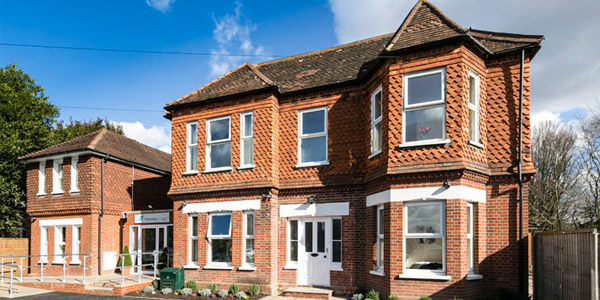
Primrose Lodge is a comfortable, fully equipped detox and rehab facility. C…
- Private
- Holistic Treatment
- Onsite gym
- Residential
UKAT Rehabs
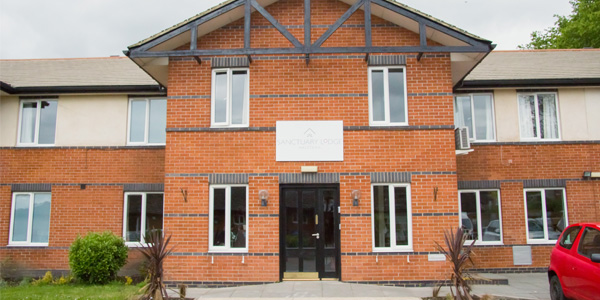
Sanctuary Lodge is a state-of-the-art detoxification and rehab facility. Lo…
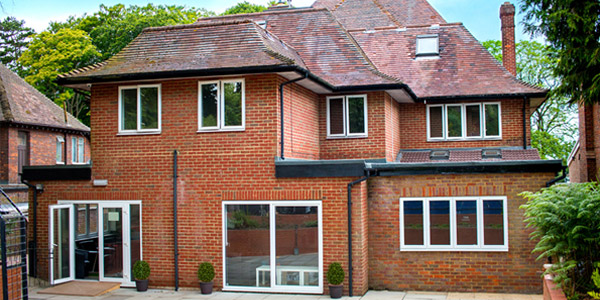
Liberty House Clinic is a fully furbished detox and rehabilitation facility…
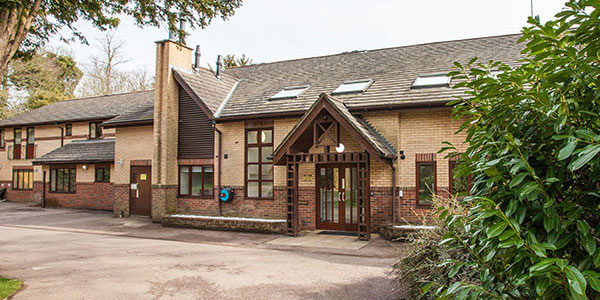
Banbury Lodge is a leading CQC approved detox, rehab and therapy clinic for…
Finding Treatment Options near London
Please note that for all listings, their locations, times, prices and any other details on their services shown are subject to change. We recommend confirming the latest information directly through your local drug and alcohol service itself, your GP or a local authority.
-

- Private
- Outpatient Option
-
- Gambling
- Outpatient Option
- Eating Disorder
-
- Gambling
- Outpatient Option
- Eating Disorder
-
- Eating Disorder
- Outpatient Option
- Eating Disorder
-
Ellern Mede Ridgeway
The Ridgeway
Mill Hill
NW7 4HX0 review- Eating Disorder
- Outpatient Option
- Eating Disorder
-
- Non 12 Step
- CBT
- Holistic Treatment
- Residential
-
- 12 Step
- Outpatient Option
- Holistic Treatment
- Residential
-
- 12 Step
- Outpatient Option
- Holistic Treatment
- Residential
-
- 12 Step
- Outpatient Option
- Holistic Treatment
- Residential
-
The John Kitchen Centre,
22 Linden Grove,
Nunhead,
SE15 3LF0 review- 12 Step
- Fully Residential
- Holistic Treatment
- Residential
-
- Trauma Therapy
- Family Workshops
- Outpatient Option
- Residential
-
- Residential
- 12 Step
- Dual Diagnosis
- Residential
-
- Residential
- Eating Disorder
- Gambling
- Outpatient Option
-
- Private
- Outpatient Option
- Gambling
- Outpatient Option
- Load More









Please note, with all meeting listings provided, their locations, times and availability may change. We advise you to verify locally or speak with your local GP or Local Authority to receive the most up to date information.
We have created a tool dedicated to helping you find a wide range of meetings and other free support services in your area, click the link here to use the tool to find helpful services near your location – Find Recovery Meetings Near You
-
- Private
- Outpatient Option
- Gambling
- Outpatient Option
-
- Private
- Outpatient Option
- Gambling
- Outpatient Option
-
- 12 Step
- Group Setting
- Free
- Outpatient
-
- 12 Step
- Group Setting
- Free
- Outpatient
-
- 12 Step
- Group Setting
- Free
- Outpatient
-
- 12 Step
- Group Setting
- Free
- Outpatient
-
- 12 Step
- Group Setting
- Free
- Outpatient
-
- 12 Step
- Group Setting
- Free
- Outpatient
-
- 12 Step
- Group Setting
- Free
- Outpatient
-
- 12 Step
- Group Setting
- Free
- Outpatient
-
- 12 Step
- Group Setting
- Free
- Outpatient
-
- 12 Step
- Group Setting
- Free
- Outpatient
-
- 12 Step
- Group Setting
- Free
- Outpatient
-
- 12 Step
- Group Setting
- Free
- Outpatient
-
- 12 Step
- Group Setting
- Free
- Outpatient
-
- 12 Step
- Group Setting
- Free
- Outpatient
-
- 12 Step
- Group Setting
- Free
- Outpatient
-
- 12 Step
- Group Setting
- Free
- Outpatient
-
- 12 Step
- Group Setting
- Free
- Outpatient
-
- 12 Step
- Group Setting
- Free
- Outpatient
-
- 12 Step
- Group Setting
- Free
- Outpatient
-
- 12 Step
- Group Setting
- Free
- Outpatient
-
Staff Canteen (behind Chapel),
Bethlem Royal Hospital,
Monks Orchard Rd
BR3 3BX0 review- 12 Step
- Group Setting
- Free
- Outpatient
-
- 12 Step
- Group Setting
- Free
- Outpatient
-
- 12 Step
- Group Setting
- Free
- Outpatient
-
- 12 Step
- Group Setting
- Free
- Outpatient
-
- 12 Step
- Group Setting
- Free
- Outpatient
-
- 12 Step
- Group Setting
- Free
- Outpatient
-
- 12 Step
- Group Setting
- Free
- Outpatient
-
- 12 Step
- Group Setting
- Free
- Outpatient
-
Aurora Project Lambeth,
140 Stockwell Rd
(the door is on Cambermere Rd)
SW9 9TQ0 review- 12 Step
- Group Setting
- Free
- Outpatient
-
- 12 Step
- Group Setting
- Free
- Outpatient
-
- 12 Step
- Group Setting
- Free
- Outpatient
-
- 12 Step
- Group Setting
- Free
- Outpatient
-
We Are With You (Formerly AddAction) Brent,
97 Cobbold Rd, Willesden
NW10 9SU0 review- 12 Step
- Group Setting
- Free
- Outpatient
-
- 12 Step
- Group Setting
- Free
- Outpatient
-
- 12 Step
- Group Setting
- Free
- Outpatient
-
- 12 Step
- Group Setting
- Free
- Outpatient
-
- 12 Step
- Group Setting
- Free
- Outpatient
-
- 12 Step
- Group Setting
- Free
- Outpatient
-
- 12 Step
- Group Setting
- Free
- Outpatient
-
- 12 Step
- Group Setting
- Free
- Outpatient
-
- 12 Step
- Group Setting
- Free
- Outpatient
-
- 12 Step
- Group Setting
- Free
- Outpatient
-
35 London Road
(Entrance via front door BDAS building)
35 London Road.
BR1 1DG0 review- 12 Step
- Group Setting
- Free
- Outpatient
-
Multi-Purpose Rm,
Ground Floor (left at reception), Hillingdon Hospital Mental Health Unit, 3-4
UB8 1QW0 review- 12 Step
- Group Setting
- Free
- Outpatient
-
- 12 Step
- Group Setting
- Free
- Outpatient
-
- 12 Step
- Group Setting
- Free
- Outpatient
-
- 12 Step
- Group Setting
- Free
- Outpatient
-
- 12 Step
- Group Setting
- Free
- Outpatient
-
- 12 Step
- Group Setting
- Free
- Outpatient
-
- 12 Step
- Group Setting
- Free
- Outpatient
-
Clarence Hall, Hawley Rd,
Bradfield Estate
(opp hairdressers and Hawley School).
NW1 8RN0 review- 12 Step
- Group Setting
- Free
- Outpatient
-
- 12 Step
- Group Setting
- Free
- Outpatient
-
- 12 Step
- Group Setting
- Free
- Outpatient
-
- 12 Step
- Group Setting
- Free
- Outpatient
-
- 12 Step
- Group Setting
- Free
- Outpatient
-
- 12 Step
- Group Setting
- Free
- Outpatient
-
- 12 Step
- Group Setting
- Free
- Outpatient
-
- 12 Step
- Group Setting
- Free
- Outpatient
-
Neal’s Yard meeting rooms,
(door to left of 14 Neal’s Yard, downstairs)
WC2H 9DP0 review- 12 Step
- Group Setting
- Free
- Outpatient
-
- 12 Step
- Group Setting
- Free
- Outpatient
-
- 12 Step
- Group Setting
- Free
- Outpatient
-
- 12 Step
- Group Setting
- Free
- Outpatient
-
- 12 Step
- Group Setting
- Free
- Outpatient
-
- 12 Step
- Group Setting
- Free
- Outpatient
-
- 12 Step
- Group Setting
- Free
- Outpatient
-
- 12 Step
- Group Setting
- Free
- Outpatient
-
- 12 Step
- Group Setting
- Free
- Outpatient
-
- 12 Step
- Group Setting
- Free
- Outpatient
-
- 12 Step
- Group Setting
- Free
- Outpatient
-
- 12 Step
- Group Setting
- Free
- Outpatient
-
- 12 Step
- Group Setting
- Free
- Outpatient
-
- 12 Step
- Group Setting
- Free
- Outpatient
-
- 12 Step
- Group Setting
- Free
- Outpatient
-
- 12 Step
- Group Setting
- Free
- Outpatient
-
- 12 Step
- Group Setting
- Free
- Outpatient
-
- 12 Step
- Group Setting
- Free
- Outpatient
-
- 12 Step
- Group Setting
- Free
- Outpatient
-
- 12 Step
- Group Setting
- Free
- Outpatient
-
- 12 Step
- Group Setting
- Free
- Outpatient
-
- 12 Step
- Group Setting
- Free
- Outpatient
-
- 12 Step
- Group Setting
- Free
- Outpatient
-
- 12 Step
- Group Setting
- Free
- Outpatient
-
- 12 Step
- Group Setting
- Free
- Outpatient
-
- 12 Step
- Group Setting
- Free
- Outpatient
-
- 12 Step
- Group Setting
- Free
- Outpatient
-
- 12 Step
- Group Setting
- Free
- Outpatient
-
St Annes & All Saints Church,
Miles St, South Lambeth Rd,
(5 min walk from Vauxhall Stn & Bus Depot).
SW8 1RL0 review- 12 Step
- Group Setting
- Free
- Outpatient
-
- 12 Step
- Group Setting
- Free
- Outpatient
-
- 12 Step
- Group Setting
- Free
- Outpatient
-
- 12 Step
- Group Setting
- Free
- Outpatient
-
- 12 Step
- Group Setting
- Free
- Outpatient
-
- 12 Step
- Group Setting
- Free
- Outpatient
-
- 12 Step
- Group Setting
- Free
- Outpatient
-
- 12 Step
- Group Setting
- Free
- Outpatient
-
- 12 Step
- Group Setting
- Free
- Outpatient
-
- 12 Step
- Group Setting
- Free
- Outpatient
-
- 12 Step
- Group Setting
- Free
- Outpatient
-
- 12 Step
- Group Setting
- Free
- Outpatient
-
- 12 Step
- Group Setting
- Free
- Outpatient
-
- 12 Step
- Group Setting
- Free
- Outpatient
-
- 12 Step
- Group Setting
- Free
- Outpatient
-
- 12 Step
- Group Setting
- Free
- Outpatient
-
- 12 Step
- Group Setting
- Free
- Outpatient
-
- 12 Step
- Group Setting
- Free
- Outpatient
-
St Johns Church Hall ( rear side door )
Bourne Hill, Palmers Green
N13 4DA0 review- 12 Step
- Group Setting
- Free
- Outpatient
-
- 12 Step
- Group Setting
- Free
- Outpatient
-
- 12 Step
- Group Setting
- Free
- Outpatient
-
- 12 Step
- Group Setting
- Free
- Outpatient
-
- 12 Step
- Group Setting
- Free
- Outpatient
-
Hudson House
1 Stockwell Green (Landor Road)
Junction of Stockwell Road
SW9 9JF0 review- 12 Step
- Group Setting
- Free
- Outpatient
-
- 12 Step
- Group Setting
- Free
- Outpatient
-
- 12 Step
- Group Setting
- Free
- Outpatient
-
- 12 Step
- Group Setting
- Free
- Outpatient
-
- 12 Step
- Group Setting
- Free
- Outpatient
-
- 12 Step
- Group Setting
- Free
- Outpatient
-
- 12 Step
- Group Setting
- Free
- Outpatient
-
- 12 Step
- Group Setting
- Free
- Outpatient
-
- 12 Step
- Group Setting
- Free
- Outpatient
-
- 12 Step
- Group Setting
- Free
- Outpatient
-
- 12 Step
- Group Setting
- Free
- Outpatient
-
- 12 Step
- Group Setting
- Free
- Outpatient
-
- 12 Step
- Group Setting
- Free
- Outpatient
-
- 12 Step
- Group Setting
- Free
- Outpatient
-
- 12 Step
- Group Setting
- Free
- Outpatient
-
- 12 Step
- Group Setting
- Free
- Outpatient
-
- 12 Step
- Group Setting
- Free
- Outpatient
-
- 12 Step
- Group Setting
- Free
- Outpatient
-
86 Leadenhall Street (entrance is via Mitre Street)
City of London
EC3A 3BP0 review- Free
- Outpatient
- Free
- Outpatient
-
The Crypt St Mary Le Bow Church
Bow Churchyard
Cheapside
EC2V 6AU0 review- Free
- Outpatient
- Free
- Outpatient
-
- Free
- Outpatient
- Free
- Outpatient
-
- 12 Step
- Group Setting
- Free
- Outpatient
-
- 12 Step
- Group Setting
- Free
- Outpatient
-
- Under 18’s
- Group Setting
- Free
- Outpatient
-
- Under 18’s
- Group Setting
- Free
- Outpatient
-
- Under 18’s
- Group Setting
- Free
- Outpatient
-
- Under 18’s
- Group Setting
- Free
- Outpatient
-
- Under 18’s
- Group Setting
- Free
- Outpatient
-
- Under 18’s
- Group Setting
- Free
- Outpatient
-
- Under 18’s
- Group Setting
- Free
- Outpatient
-
- Under 18’s
- Group Setting
- Free
- Outpatient
-
- Under 18’s
- Group Setting
- Free
- Outpatient
-
- Under 18’s
- Group Setting
- Free
- Outpatient
-
- Under 18’s
- Group Setting
- Free
- Outpatient
-
- Under 18’s
- Group Setting
- Free
- Outpatient
-
- Under 18’s
- Group Setting
- Free
- Outpatient
-
- Under 18’s
- Group Setting
- Free
- Outpatient
-
Unit 2, Ilex House
94 Holly Road
Twickenham TW1 4HF0 review- Under 18’s
- Group Setting
- Free
- Outpatient
-
- Under 18’s
- Group Setting
- Free
- Outpatient
-
- Under 18’s
- Group Setting
- Free
- Outpatient
-
- Under 18’s
- Group Setting
- Free
- Outpatient
-
- Under 18’s
- Group Setting
- Free
- Outpatient
-
- Under 18’s
- Group Setting
- Free
- Outpatient
-
The Michael Rutter Centre, The Maudsley Hospital
De Crespigny Park Off Denmark Hill
SE5 8AZ0 review- Under 18’s
- Group Setting
- Free
- Outpatient
-
- Under 18’s
- Group Setting
- Free
- Outpatient
-
- Under 18’s
- Group Setting
- Free
- Outpatient
-
- Under 18’s
- Group Setting
- Free
- Outpatient
-
- Under 18’s
- Group Setting
- Free
- Outpatient
-
City of London Therapy Centre
45 Central Street
lslington, EC1V 8AB0 review- Under 18’s
- Group Setting
- Free
- Outpatient
-
- LGBTQ Conscious
- Group Setting
- Free
- Outpatient
-
- Under 18’s
- Group Setting
- Free
- Outpatient
-
- Under 18’s
- Group Setting
- Free
- Outpatient
-
- Under 18’s
- Group Setting
- Free
- Outpatient
-
- Under 18’s
- Group Setting
- Free
- Outpatient
-
- Under 18’s
- Group Setting
- Free
- Outpatient
-
- Under 18’s
- Group Setting
- Free
- Outpatient
-
- Under 18’s
- Group Setting
- Free
- Outpatient
-
- Under 18’s
- Group Setting
- Free
- Outpatient
-
18 Greatorex Street
Whitechapel
E1 5NF0 review- Eating Disorder
- Group Setting
- Free
- Outpatient
-
- Eating Disorder
- Group Setting
- Free
- Outpatient
-
Tyson House West, Bethlem Royal Hospital
Monks Orchard Road
Beckenham
BR3 3BX0 review- Eating Disorder
- Group Setting
- Free
- Outpatient
-
- Eating Disorder
- Group Setting
- Free
- Outpatient
-
3 Northumberland Park Resource Centre
177 Park Lane
Tottenham
N17 0HJ0 review- Eating Disorder
- Group Setting
- Free
- Outpatient
-
- Eating Disorder
- Group Setting
- Free
- Outpatient
-
- Eating Disorder
- Group Setting
- Free
- Outpatient
-
- Eating Disorder
- Group Setting
- Free
- Outpatient
-
- Eating Disorder
- Group Setting
- Free
- Outpatient
-
- Eating Disorder
- Group Setting
- Free
- Outpatient
-
- Eating Disorder
- Group Setting
- Free
- Outpatient
-
- Eating Disorder
- Group Setting
- Free
- Outpatient
-
- Eating Disorder
- Group Setting
- Free
- Outpatient
-
- Eating Disorder
- Group Setting
- Free
- Outpatient
-
Lambeth Early Intervention and Prevention Service
Wooden Spoon House
5 Dugard Way
SE11 4TH0 review- Eating Disorder
- Group Setting
- Free
- Outpatient
-
- Eating Disorder
- Group Setting
- Free
- Outpatient
-
1st Floor
Our Lady Of Good Counsel
24 Bouverie Road, Stoke Newington
N16 0AJ0 review- 12 Step
- Group Setting
- Free
- Outpatient
-
- 12 Step
- Group Setting
- Free
- Outpatient
-
- 12 Step
- Group Setting
- Free
- Outpatient
-
- 12 Step
- Group Setting
- Free
- Outpatient
-
- 12 Step
- Group Setting
- Free
- Outpatient
-
- 12 Step
- Group Setting
- Free
- Outpatient
-
- 12 Step
- Group Setting
- Free
- Outpatient
-
- 12 Step
- Group Setting
- Free
- Outpatient
-
- 12 Step
- Group Setting
- Free
- Outpatient
-
- 12 Step
- Group Setting
- Free
- Outpatient
-
- 12 Step
- Group Setting
- Free
- Outpatient
-
- 12 Step
- Group Setting
- Free
- Outpatient
-
- 12 Step
- Group Setting
- Free
- Outpatient
-
- 12 Step
- Group Setting
- Free
- Outpatient
-
- 12 Step
- Group Setting
- Free
- Outpatient
-
- 12 Step
- Group Setting
- Free
- Outpatient
-
- 12 Step
- Group Setting
- Free
- Outpatient
-
The William Carey Room
South Harrow Baptist Church
270 Northolt Road
HA2 8EB0 review- 12 Step
- Group Setting
- Free
- Outpatient
-
- 12 Step
- Group Setting
- Free
- Outpatient
-
- 12 Step
- Group Setting
- Free
- Outpatient
-
- 12 Step
- Group Setting
- Free
- Outpatient
-
- 12 Step
- Group Setting
- Free
- Outpatient
-
- 12 Step
- Group Setting
- Free
- Outpatient
-
- 12 Step
- Group Setting
- Free
- Outpatient
-
Hounslow Cornerstone Seventh-day Adventist Church
178 Heston Road
TW5 0QU0 review- 12 Step
- Group Setting
- Free
- Outpatient
-
The Crypt Centre
St Mary Magdalene Church
Munster Square, Regents Park Estate
NW1 3PL0 review- 12 Step
- Group Setting
- Free
- Outpatient
-
- 12 Step
- Group Setting
- Free
- Outpatient
-
- 12 Step
- Group Setting
- Free
- Outpatient
-
- 12 Step
- Group Setting
- Free
- Outpatient
-
- 12 Step
- Group Setting
- Free
- Outpatient
-
- 12 Step
- Group Setting
- Free
- Outpatient
-
- 12 Step
- Group Setting
- Free
- Outpatient
-
- 12 Step
- Group Setting
- Free
- Outpatient
-
- 12 Step
- Group Setting
- Free
- Outpatient
-
- 12 Step
- Group Setting
- Free
- Outpatient
-
- 12 Step
- Group Setting
- Free
- Outpatient
-
- 12 Step
- Group Setting
- Free
- Outpatient
-
- 12 Step
- Group Setting
- Free
- Outpatient
-
- 12 Step
- Group Setting
- Free
- Outpatient
-
- 12 Step
- Group Setting
- Free
- Outpatient
-
- 12 Step
- Group Setting
- Free
- Outpatient
-
- 12 Step
- Group Setting
- Free
- Outpatient
-
- 12 Step
- Group Setting
- Free
- Outpatient
-
- 12 Step
- Group Setting
- Free
- Outpatient
-
- 12 Step
- Group Setting
- Free
- Outpatient
-
At the Front of The Building
Edward Woods Community Centre
60-70 Norland Road
W11 4TX0 review- 12 Step
- Group Setting
- Free
- Outpatient
-
- 12 Step
- Group Setting
- Free
- Outpatient
-
- 12 Step
- Group Setting
- Free
- Outpatient
-
- 12 Step
- Group Setting
- Free
- Outpatient
-
- 12 Step
- Group Setting
- Free
- Outpatient
-
Occupational Therapy Unit
Grovelands Priory Hospital
The Bourne, Queen Elizabeth Drive
N14 6RA0 review- 12 Step
- Group Setting
- Free
- Outpatient
-
- 12 Step
- Group Setting
- Free
- Outpatient
-
- 12 Step
- Group Setting
- Free
- Outpatient
-
- 12 Step
- Group Setting
- Free
- Outpatient
-
- 12 Step
- Group Setting
- Free
- Outpatient
-
- 12 Step
- Group Setting
- Free
- Outpatient
-
- 12 Step
- Group Setting
- Free
- Outpatient
-
- 12 Step
- Group Setting
- Free
- Outpatient
-
- 12 Step
- Group Setting
- Free
- Outpatient
-
- 12 Step
- Group Setting
- Free
- Outpatient
-
- 12 Step
- Group Setting
- Free
- Outpatient
-
- 12 Step
- Group Setting
- Free
- Outpatient
-
0 review
- One to One
- Group Setting
- Free
- Outpatient
-
- Eating Disorder
- Group Setting
- Free
- Outpatient
-
- Eating Disorder
- Group Setting
- Free
- Outpatient
-
- Eating Disorder
- Group Setting
- Free
- Outpatient
-
- Eating Disorder
- Group Setting
- Free
- Outpatient
-
- Eating Disorder
- Group Setting
- Free
- Outpatient
-
- Eating Disorder
- Group Setting
- Free
- Outpatient
-
- Eating Disorder
- Group Setting
- Free
- Outpatient
-
- Eating Disorder
- Group Setting
- Free
- Outpatient
-
0 review
- One to One
- Group Setting
- Free
- Outpatient
-
- One to One
- Group Setting
- Free
- Outpatient
-
- One to One
- Group Setting
- Free
- Outpatient
-
- One to One
- Group Setting
- Free
- Outpatient
-
- One to One
- Group Setting
- Free
- Outpatient
-
- One to One
- Group Setting
- Free
- Outpatient
-
- One to One
- Group Setting
- Free
- Outpatient
-
- One to One
- Group Setting
- Free
- Outpatient
-
- One to One
- Group Setting
- Free
- Outpatient
-
- One to One
- Group Setting
- Free
- Outpatient
-
- Eating Disorder
- Group Setting
- Free
- Outpatient
-
- Eating Disorder
- Group Setting
- Free
- Outpatient
-
- Eating Disorder
- Group Setting
- Free
- Outpatient
-
- Eating Disorder
- Group Setting
- Free
- Outpatient
-
- Eating Disorder
- Group Setting
- Free
- Outpatient
-
MIND in Tower Hamlets and Newham
Open House, 13 Whitethorn Street
E3 4DA0 review- Eating Disorder
- Group Setting
- Free
- Outpatient
-
- Eating Disorder
- Group Setting
- Free
- Outpatient
-
- Eating Disorder
- Group Setting
- Free
- Outpatient
-
Square Mile Therapy
Room 14/14a, Albert Buildings
49 Queen Victoria Street
London EC4N 4SA0 review- Eating Disorder
- Group Setting
- Free
- Outpatient
-
- Eating Disorder
- Group Setting
- Free
- Outpatient
-
- Eating Disorder
- Group Setting
- Free
- Outpatient
-
- Eating Disorder
- Group Setting
- Free
- Outpatient
-
Drysdale Building
City, University of London
Northampton Square
London
EC1V 0HB
United Kingdom0 review- Eating Disorder
- Group Setting
- Free
- Outpatient
-
Wandsworth Carers Centre
181 Wandsworth High Street
Greater London
SW18 4JE0 review- Eating Disorder
- Group Setting
- Free
- Outpatient
-
Jubilee Health Centre East
6 Stanley Park Road
Greater London
SM6 0HY0 review- Eating Disorder
- Group Setting
- Free
- Outpatient
-
- Eating Disorder
- Group Setting
- Free
- Outpatient
-
- Eating Disorder
- Group Setting
- Free
- Outpatient
-
The Hudson Centre,
13 John Prince’s Street,
Cavendish Square, London
W1G OJR0 review- Eating Disorder
- Group Setting
- Free
- Outpatient
-
St Ann’s Hospital
St Ann’s Road
London
N15 3TH0 review- Eating Disorder
- Group Setting
- Free
- Outpatient
-
- Eating Disorder
- Group Setting
- Free
- Outpatient
-
- Eating Disorder
- Group Setting
- Free
- Outpatient
-
- Eating Disorder
- Group Setting
- Free
- Outpatient
-
6th Floor Anchorage House
2 Clove Crescent
Greater London
London E14 1BY0 review- Eating Disorder
- Group Setting
- Free
- Outpatient
-
- Eating Disorder
- Group Setting
- Free
- Outpatient
-
- Eating Disorder
- Group Setting
- Free
- Outpatient
-
- Eating Disorder
- Group Setting
- Free
- Outpatient
-
- Eating Disorder
- Group Setting
- Free
- Outpatient
-
- Under 18’s
- Group Setting
- Free
- Outpatient
-
- Under 18’s
- Group Setting
- Free
- Outpatient
-
- Under 18’s
- Group Setting
- Free
- Outpatient
-
- Under 18’s
- Group Setting
- Free
- Outpatient
-
- Under 18’s
- Group Setting
- Free
- Outpatient
-
- Under 18’s
- Group Setting
- Free
- Outpatient
-
- Under 18’s
- Group Setting
- Free
- Outpatient
-
Ground Floor, Building 5
Springfield University Hospital , 61 Glenburnie Road
SW17 7DJ0 review- Eating Disorder
- Group Setting
- Free
- Outpatient
-
42 York Street
Greater London
Twickenham TW1 3BW0 review- Under 18’s
- Group Setting
- Free
- Outpatient
-
The Point
47 Woolwich New Road
Woolwich
SE18 6EW0 review- Under 18’s
- Group Setting
- Free
- Outpatient
-
The Point
47 Woolwich New Road
Woolwich
SE18 6EW0 review- Under 18’s
- Group Setting
- Free
- Outpatient
- Load More












Drug & Alcohol Rehab Services in London
- A
- B
- C
- D
- E
- F
- G
- H
- I
- J
- K
- L
- M
- N
- O
- P
- Q
- R
- S
- T
- U
- V
- W
- X
- Y
- Z
- Barking
- Barnes
- Barnet
- Beckenham
- Bromley
- Camberwell
- Camden
- Catford
- Chelsea
- Chingford
- Chiswick
- Clapham
- Croydon
- Dagenham
- Deptford
- Ealing
- Edgware
- Enfield
- Erith
- Finchley
- Fulham
- Greenwich
- Hackney
- Hammersmith
- Hampstead
- Harrow
- Hayes
- Hendon
- Hillingdon
- Hounslow
- Ilford
- Isleworth
- Islington
- Kensington
- Kingston
- Lambeth
- Lewisham
- Merton
- Morden
- Newham
- Orpington
- Poplar
- Richmond
- Romford
- Southall
- Southgate
- Southwark
- Stratford
- Surbiton
- Sutton
- Teddington
- Tottenham
- Twickenham
- Upminster
- Uxbridge
- Wallington
- Walthamstow
- Wandsworth
- Wanstead
- Westminster
- Wimbledon
- Woolwich
- Bexleyheath

How Does Rehab Work
Treatment is provided on a one-to-one and group basis. Individuals should all receive a treatment and recovery programme customised to fully address their specific needs. A psychiatric evaluation should be provided by certified psychiatrists. A rehab programme should involve a team of addiction and mental health specialists, and medical staff, as well as spiritual counsellors, and wellness specialists.
When it comes to rehab choices, inpatient residential rehab and outpatient programmes are the two distinct options available in the UK. Inpatient residential rehab is not usually offered on the NHS, whereas outpatient programmes are available throughout Acton on a self-referral basis. Inpatient residential rehab provides many advantages over outpatient programmes. They allow the individual to safely detox from alcohol and substances in an enclosed environment, without any temptations.
What Happens During Alcohol and Drug Rehab in Acton
Rehab equips individuals with tools that enable them to live meaning lives without the need for alcohol or any other substances. Qualified professionals aim to create an environment that is supportive, compassionate, and caring, so that individuals can begin the healing process and begin long-term recovery. However, residential programs vary widely and a person struggling with drug or alcohol dependency will not always know what the ideal residential treatment program looks like. It is vital that before deciding upon a residential programme, you know exactly what treatment options and aftercare are available as part of the programme. Any rehab programme should include family therapy, individual therapy, and group therapy. Medical staff should be available 24-hours a day to guide individuals through the detox stage, and help with any concerns they might have regarding detox medication and psychotherapy.
Good residential programmes should provide free aftercare as part of any programme, and should allow for regular sessions to promote long-term recovery. It is a requirement for all rehab facilities in the UK to register with the Care Quality Commission (CQC). The CQC provide a rating of each individual rehab ranging from “Inadequate” to “Outstanding”. To investigate how a rehab is performing, a great starting point is the CQC website, as they provide copies of inspection reports highlighting issues and areas of excellence.
Addiction Therapy & Treatment Options in Acton
When making enquiries, ask about the therapy programmes available to you. All good rehabs should have a few different therapeutic models to help those with psychological issues. If the individual presents mental health problems, it’s best to ask the centre if they specialise in treating dual-diagnosis. Dual-diagnosis is the presence of mental health conditions and addiction, a specialised treatment is recommended to effectively treat both conditions.
Therefore, good rehab centres should ideally be licensed to treat mental health disorders as well as addiction – with the expertise to provide treatment for substance dependency without negatively impacting any existing mental health issues (such as depression or bipolar). Where dual diagnosis is involved, a range of factors need to be taken into consideration for the well-being of the individual – such as re-assessing the use of current psychiatric medication as well as therapy undergone before rehabilitation. The first phase of rehab is detox. Detox eliminates the substances that affect the individual’s mind, preparing them for psychological treatment.
Medical Alcohol and Drug Detox
Detox is a treatment designed to bring an end to the psychological and physical addiction caused by alcohol and drug misuse. A medical detox aides in safely getting individuals through the worst of withdrawal, by using detox medication, it eliminates any dangerous symptoms and reduces cravings that may result from sudden withdrawal. Detox medication is more common in those who are dependent on opiates, alcohol, barbiturates, and benzodiazepines.
Medical professionals will assess whether a medically-assisted detox is needed, with special considerations around the individuals existing mental health conditions and other needs. It is advised that the detox process happens within a residential setting, so that medical professionals can accurately assess any health complications and withdrawal symptoms that may arise.

Therapy for Alcohol and Drug Addiction
After completing detox the individual will begin the rehabilitation phase. Clinicians ensure that treatment is person centered by utilising a range of therapeutic models. Usually one-to-one sessions utilise psychotherapy in the form of Dialectical Behavioural Therapy (DBT) and Cognitive Behavioural Therapy (CBT), amongst others. Group sessions should also take the form of talking therapies, but may also include different forms of psychotherapy such as Art Therapy, Meditation, and Drama Therapy. The goal is to provide the best possible environment to allow the individual to gain new ways of thinking, bond with others and seek healthy, rewarding stimuli without the inclusion of drugs or alcohol.
Cost of Alcohol and Drug Rehab
Detox makes up a sizable portion of the overall cost of rehab, as well as the length of stay and services provided. Other costs include amenities and location. Inpatient rehab centres typically charge £5000 – £10000 for a 30-day treatment. Cost should never be a barrier to seeking addiction treatment, as often maintaining an addiction has far greater cost implications longer-term.
Consider how much you currently spend to maintain your addiction and the health ramifications caused by substance abuse. Private insurance can sometimes be accepted by rehabs, but you must make sure your insurance provider covers addiction treatment.
How Long is Rehab?
The length of stay will vary depending on individual circumstances, with the majority of inpatient programmes ranging from 14 days up to 90 days. Longer rehab programmes have been associated with , so it may be prudent to decide on an extended rehab programme.
Inpatient rehabs sometimes offer “detox only” options – but this is not endorsed by uk-rehab – as a standalone option, detox rarely treats the underlying causes of addictions. Consider a 60-90 day programme for increased recovery. This will allow more time to adjust to a substance free life, and for the therapy to have a long-lasting impact on emotional and spiritual well-being.
Page Under Review
This page is currently under review and is being updated.
Some information displayed on this page may be outdated, incomplete or may no longer accurately reflect current services, facilities, treatment programmes, therapies, availability, admission arrangements or other service information. Information on this page should therefore not be relied upon as confirmation of current treatment provision or availability.
Where this page contains information about third-party treatment providers, organisations or support services that are not operated by UKAT, this information is provided for general informational purposes only and may also have changed since it was published. UKAT does not guarantee the accuracy or current availability of third-party services listed on this page.
Any prices displayed on this page may be outdated and are subject to change. Treatment costs can vary depending on the programme, length of stay, accommodation, individual circumstances and services required. Please contact UKAT’s Admissions Team directly to confirm current UKAT pricing, treatment options and availability before making a decision about treatment.
We are reviewing this page to ensure that the information provided accurately reflects current services and treatment provision.
For services not operated by UKAT, we recommend verifying the information independently by conducting a local search or contacting the relevant provider, your GP, local drug and alcohol service, local authority or another appropriate healthcare professional.
Latest Update: Under Review (September 2026)